Viewing entries in
how to pack kenya

Traveling Beyond the Clinic: Blair Cornman's Adventure's with Land + See

Traveling Beyond the Clinic: Blair Cornman's Adventure's with Land + See

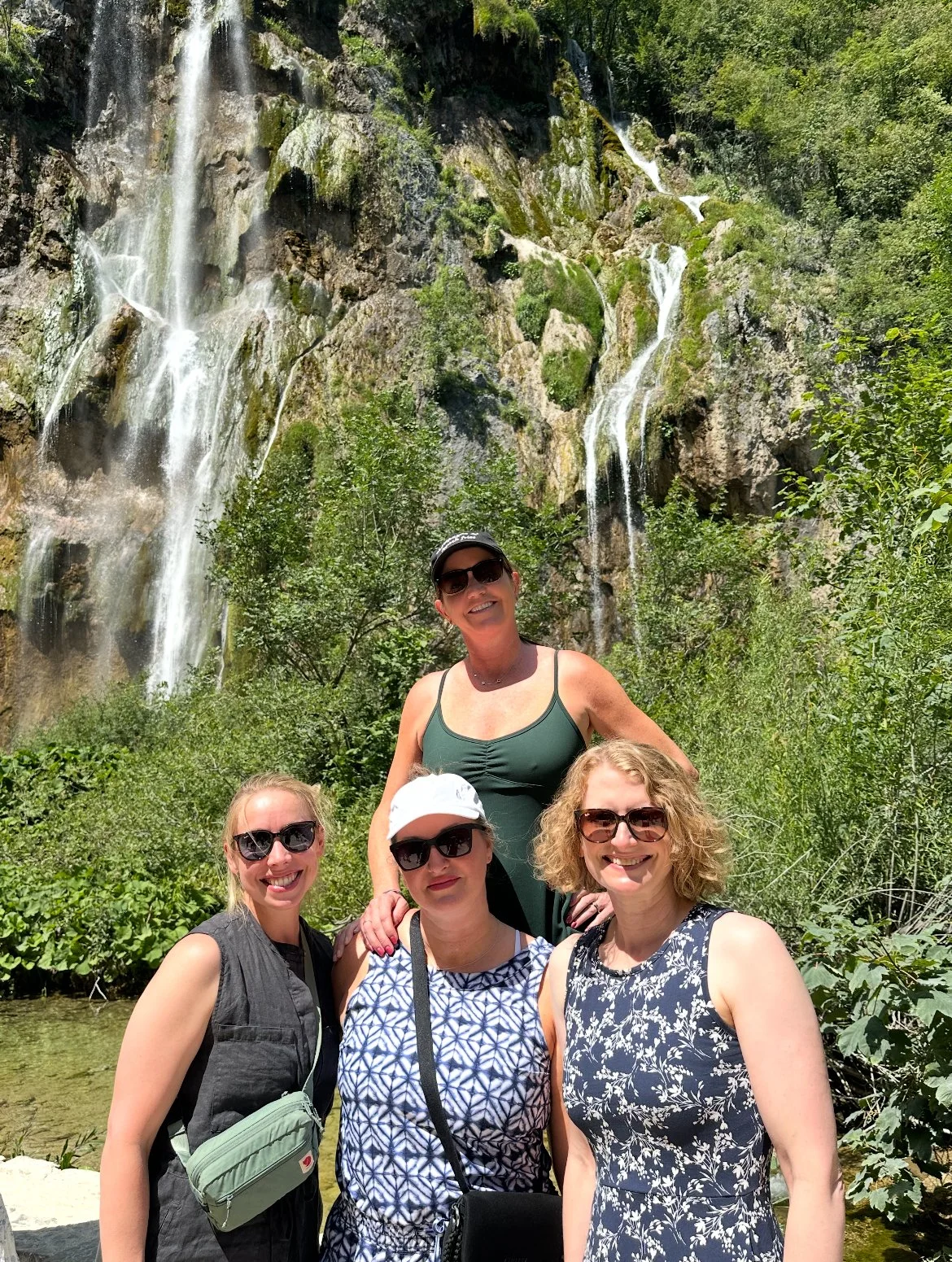
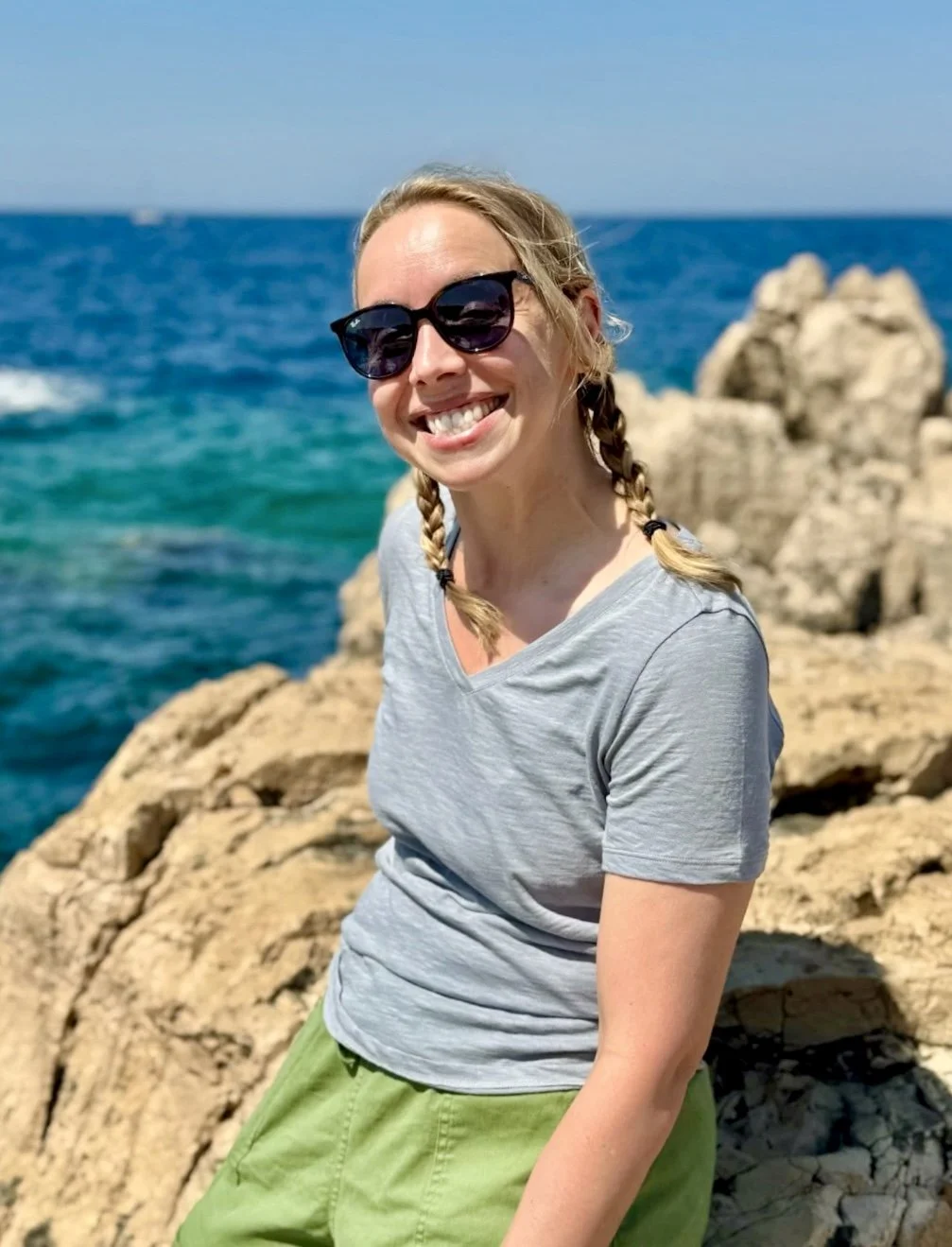
For Blair Cornman, a dedicated veterinarian based in Signal Mountain, travel isn’t just a hobby—it’s a vital part of life. Balancing the demanding schedule of veterinary medicine with a desire to explore the world, Blair has turned travel into a way to recharge, connect, and see the world from a new perspective. We sat down with Blair to learn how Land + See trips have transformed her adventures abroad and why she believes every busy professional deserves a break from the everyday.

Finding Balance Through Travel

“Travel has always been something that I enjoyed,” Blair reflects. From family road trips in the U.S.—including visits to Dollywood—to studying abroad in London during college, her passion for seeing new places began early. Veterinary school opened doors to international travel, including multiple trips to Australia, cementing her love for exploring cities, towns, and cultures.

“Veterinary medicine is a career that is difficult to separate from home life most days,” Blair notes. “Being able to get away on vacation gives me something to look forward to, and when I’m actually on a trip, it’s a complete mental break from working.”
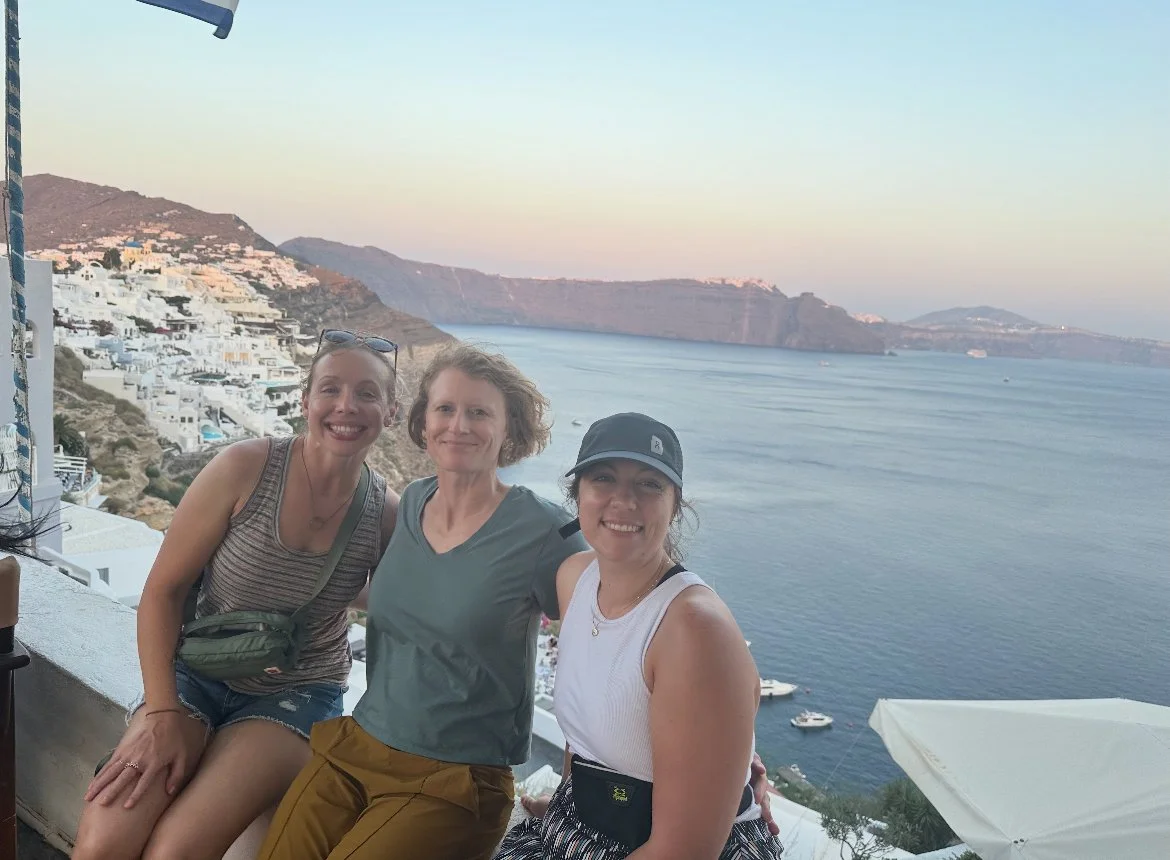
Joining a Land + See Adventure

Blair first discovered Land + See through local cycling connections in Chattanooga. She signed up for a Cuba trip, which was eventually canceled due to COVID, but later joined a Croatia adventure. “After that, Mandy couldn’t get rid of me!” she jokes. What draws Blair to Land + See trips is the simplicity and convenience. “Everything is planned. You don’t have to worry about hotels, travel within countries, or activities. The less I have to think about or plan, the better.”
The Power of Group Travel

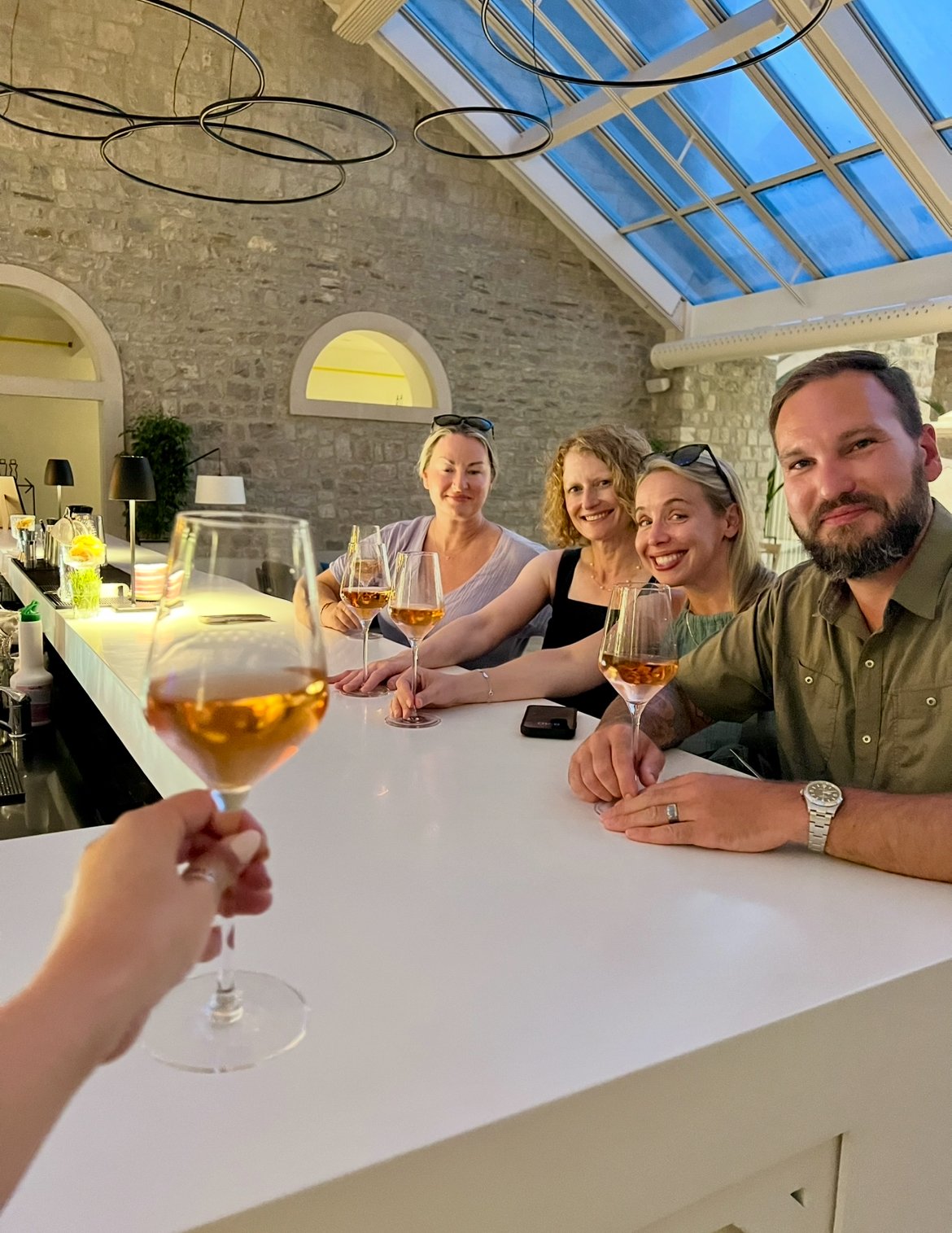
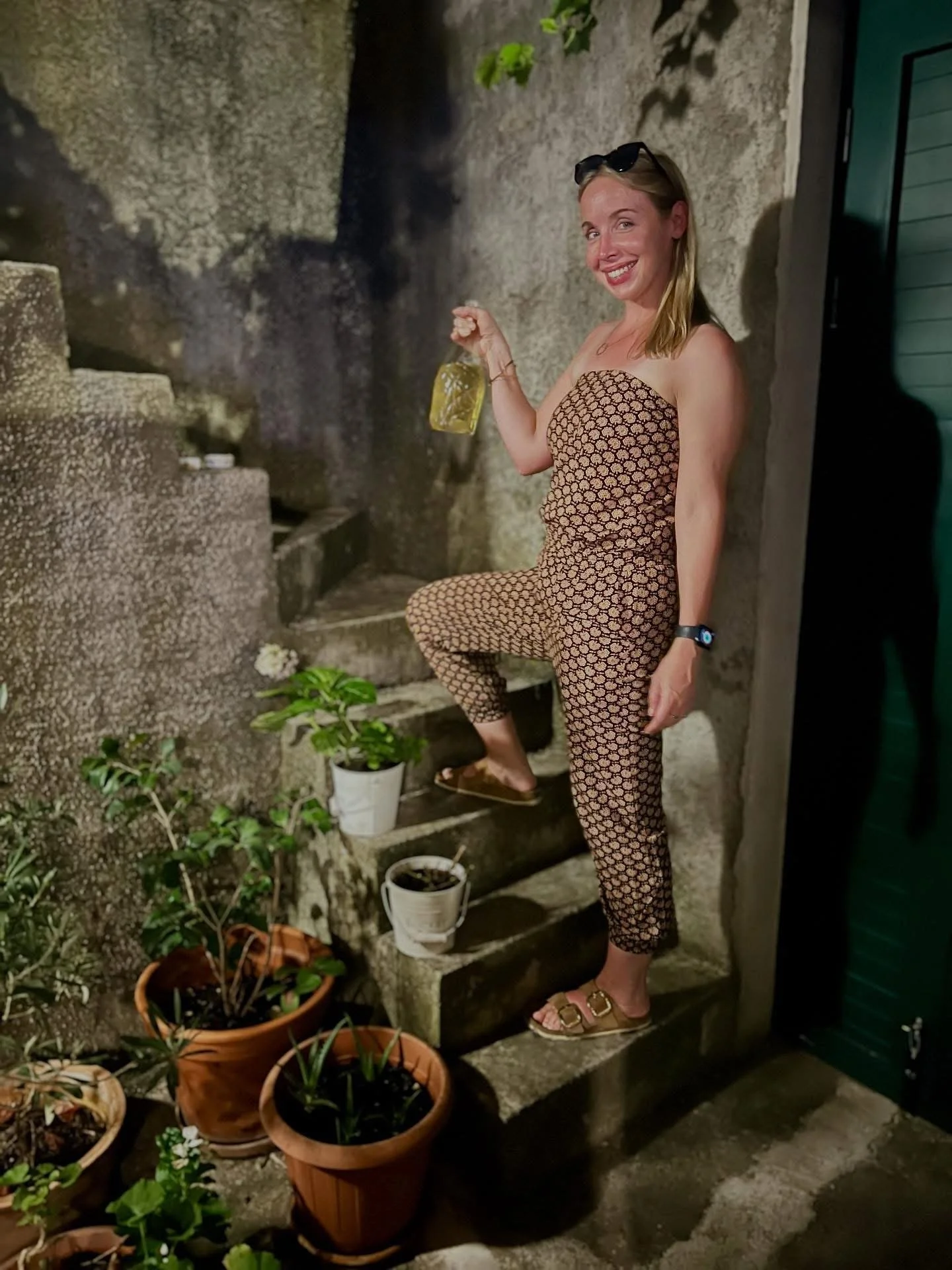
Traveling with friends and fellow adventurers has been a key part of Blair’s experience. “I consistently travel with close friends on these trips. It’s a way for us to stay in touch and see each other regularly,” she explains. “But it’s also enjoyable to meet other people on the trips and learn about their backgrounds. You always have someone to do something with and can experience the destination from multiple viewpoints.”

Blair even credits group travel with pushing her outside her comfort zone. “Would I have jumped off a cliff in Croatia by myself? Doubtful. But when 20 other people are screaming at you to do it, peer pressure wins.”
Customized Extensions: Making Trips Personal

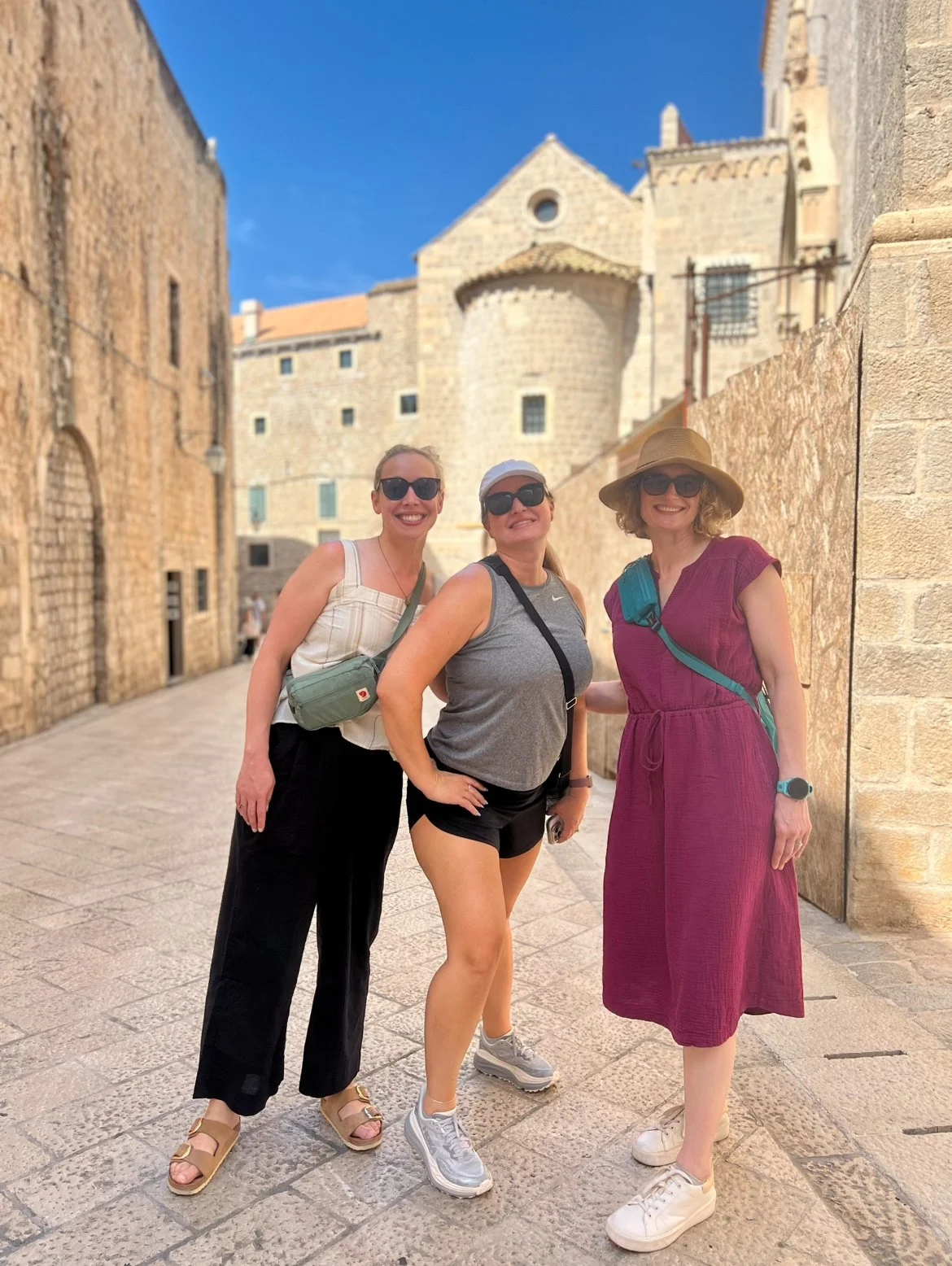
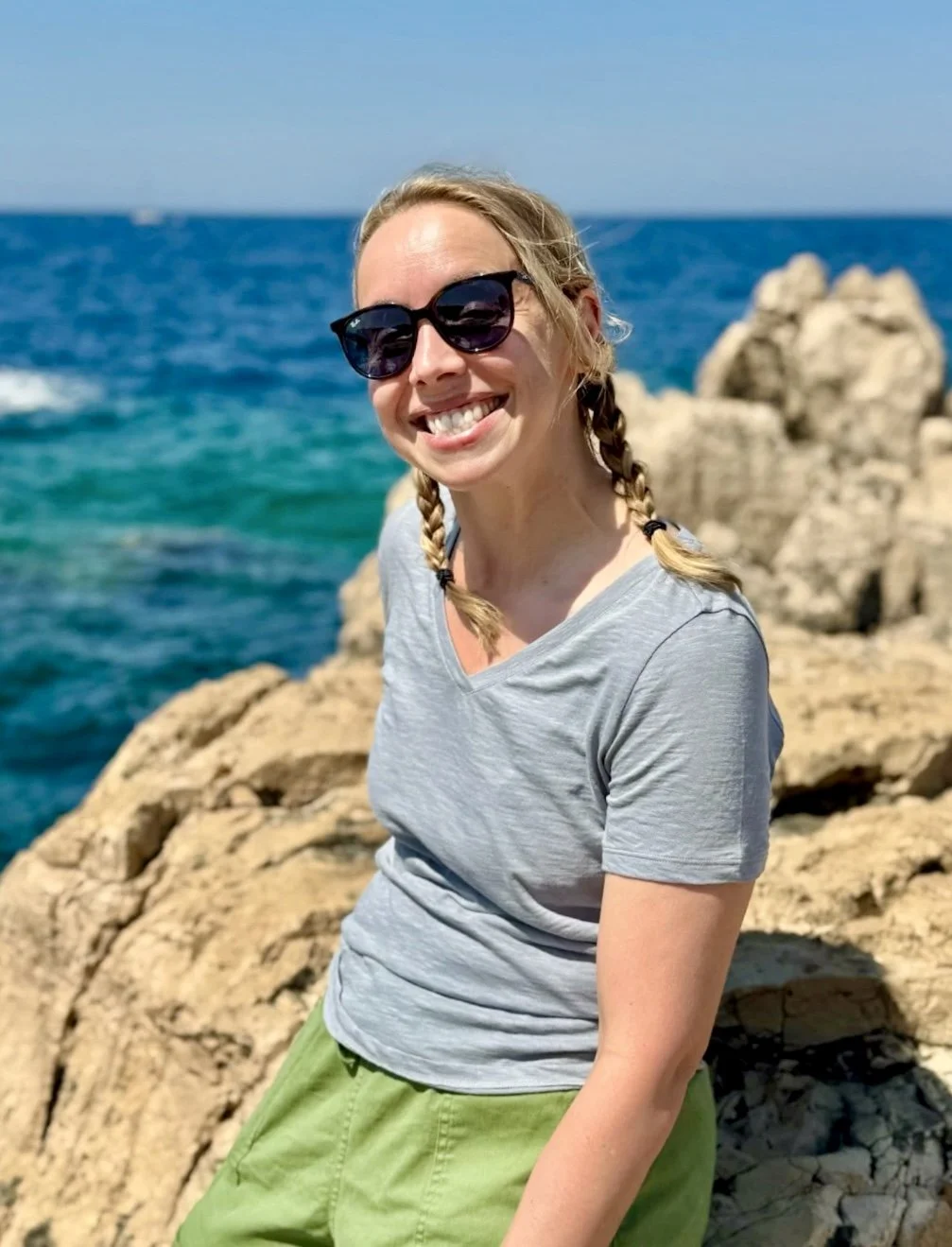
Blair and her friend and fellow vet, Katie Koss, often add customized extensions to their trips, such as in Portugal and Turkiye, to see more of the countries they visit. “Porto, Portugal was amazing. Istanbul’s beauty and cuisine were unforgettable,” Blair recalls. She credits Mandy from Land + See for tailoring the extensions to her preferences, which made the trips feel even more personal. “Not having to worry about travel, lodging, and activities allowed us to relax and enjoy the overall experience more.”

Memorable Moments and Lessons Learned

Among all her adventures, Blair highlights a trip to Africa as particularly impactful. “The landscape was magnificent, and as a veterinarian, seeing the animals in their natural habitat was incredible. Watching the big cats and realizing they share so many mannerisms with house cats was unforgettable—though petting them was definitely ‘frowned upon!’”
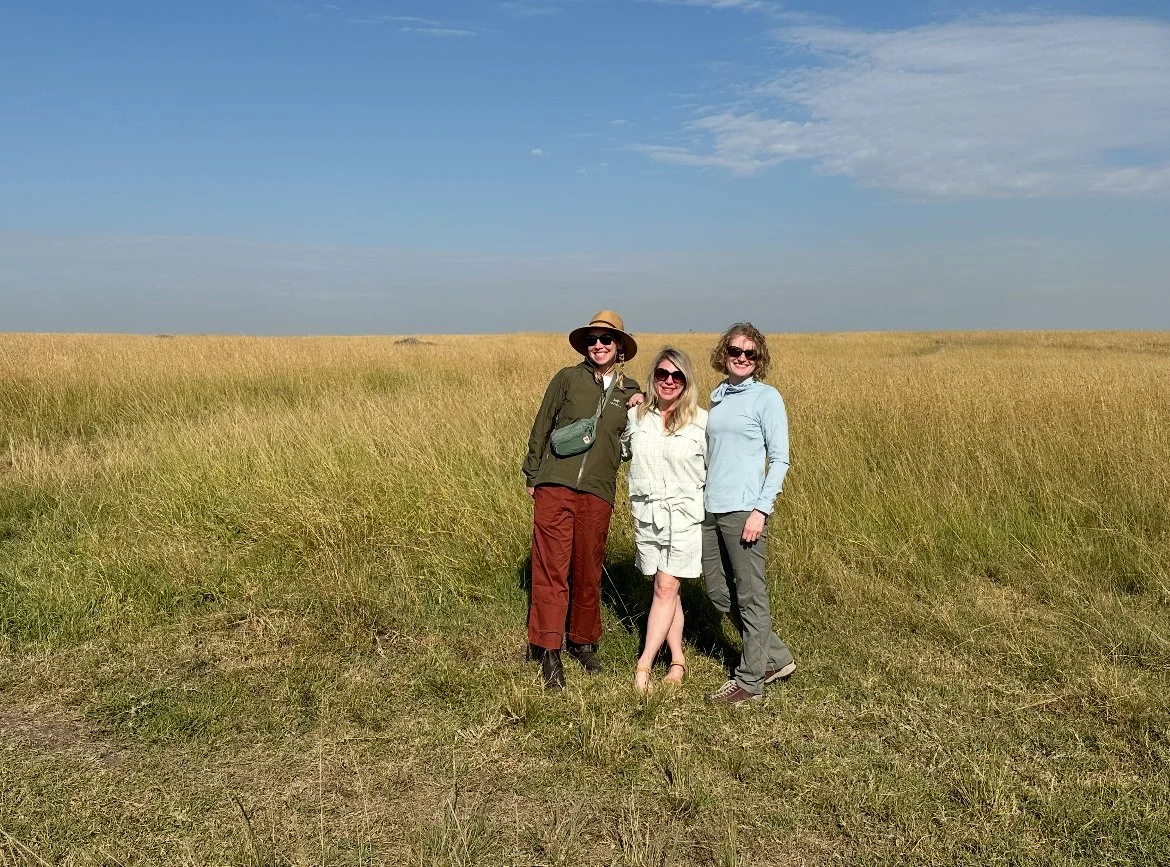
Sharing trips with friends has also deepened connections. “It’s been great mixing friends from veterinary school, work, and daily life, and even getting to know the friends they bring along. By the end of a trip, everyone is friends.”

Through these journeys, Blair has picked up a few enduring lessons:

  • Calories don’t count on vacation: eat the cheese.

  • You can’t get hungover on European wine.

  • Don’t take yourself too seriously. Work will survive without you.

  • Appreciate what you have in life.

For Blair, travel isn’t just about seeing new places—it’s about perspective, connection, and renewal. Whether exploring the streets of Europe, the wilds of Africa, or the culture-rich corners of Turkiye, these experiences remind her—and all of us—of the joy in stepping outside our routines. Through Land + See, Blair has found a way to make travel both accessible and deeply meaningful, proving that even the busiest professionals can—and should—find time to explore the world.
Angela's Tips and Tricks for International Travel

Angela's Tips and Tricks for International Travel

Before I began traveling with Land + See, I was a chaotic over-packer.  Just prior to my very first trip with them, Mandy convinced me to look into bringing just a carry-on and personal item instead of checking a bag. Because we switched destinations throughout the trip, had to lug our bags over cobblestone streets, and often stayed in hotels without elevators, I decided to heed that advice. Here are some tips that I have learned and adopted after seven trips with Land + See. 

General packing

-Carry-on only is your best friend. You can check your suitcase full of dirty clothes on the way back, but don’t risk losing your stuff on the way there. 

-If you must check a bag, make sure your carry-on has a few days of clothes and all essentials (meds, contacts, money, etc.) in case your bag doesn’t make it to your destination with you. 

-If you plan to bring home souvenirs or more items than you brought with you, pack a light tote bag in your suitcase/personal item to use as an additional bag (if you’re checking your suitcase on the way back).

-Convert any liquid you can into a solid (soap, deodorant, shampoo bars) so you can meet the TSA liquid limit for carry-on luggage. Every liquid/gel has to fit in one quart size bag, and no container can be more than 3.4 oz. If you throw away empty containers at the end of your trip it makes more room in your bag. Utilize the hotel toiletries if you’re not picky about products. 

-Look into curating a capsule wardrobe so you can rewear pieces yet still make it look like different outfits. This is not as doable in the hot summer months. 

-Find a packing method that works for you. Some people roll their clothes. I find that folding mine into squares works better for me. Some fit clothes to shape of their suitcase. There is no “best” way to pack clothes that works for every single person. Mess around with different packing strategies to make it work for you. 

-I don’t use regular packing cubes because they don’t save space. I do bring a few to help organize my stuff when we go place to place. Compression cubes and vacuum seal bags are ideal if you do decide to organize your clothes that way. 

-Wear your heaviest shoes, coat, etc. on the plane to save space in your luggage. I usually wear my walking shoes onto the plane and pack one pair of sandals in my suitcase for summer trips. I have a pair of slippers in my backpack to wear on the plane so I can take my heavy shoes off on long flights. 

-If you’re bringing a hat, fill the inside of the hat to make better use of the space. Bras are a perfect example of something to put inside a hat. This can help maintain the shape of the hat and bras. 

-Pack more underwear than you think you’ll need, especially on a summer trip. Many travelers end up taking two showers a day. 

-It’s smart to have one clean outfit left on the return in case your flight gets delayed and you have to spend the night in Paris.

Medication

-Check to make sure your medications are allowed in the country you are visiting and get a doctor’s note if needed. Some countries are stricter than others (Japan) and do not allow certain medications no matter what. 

-Bring copies of prescriptions. I’ve never been questioned about putting all of my medications in those daily reminder containers, but bring the medicines in the original bottles if you want to be safe. TSA does not require medications to be in the original packaging, but other countries might. From what I’ve seen, all over the counter meds, supplements, etc. can be mixed up in one container. Definitely put any controlled substances (ex: Adderall) in the original container. You may be asked about your meds at customs, but I have never run into that. 

-If your medication is in liquid form you must notify TSA security before they scan your bags. This does not count against your liquids limit. 

-You can never bring enough pain reliever. I bring more Ibuprofen each time. 

-Bring any other over the counter meds that you might need (Dramamine for ferry/boat rides), as well as a small customized emergency kit. 

Currency

-Order currency from your local bank before the trip instead of ATMs or the airport because your bank has a better exchange rate. Regions charges a $5 fee if you take out $250 or more. Ask for small bills to keep from having to break larger bills later. 

-They rarely split checks in Europe so if you’re going with a big group be prepared to pay cash for dinners.

-Choose local currency (ex. Euros) on the pin pad if you pay with a card at a store or restaurant (better conversion rate).

-Don’t use your debit card! They charge you a fee for each swipe. Use a credit card or local currency. 

Handy items

-Cotopaxi backpacks open like a suitcase and have a lot of organized space. The 28L Allpa is the perfect size for a personal item and fits sideways under the plane seat.

-Wear a money belt or fanny pack that’s attached in front of you so it makes it harder for pickpocketers to get to your stuff.

-If you are traveling in the summer, bring a handheld fan and/or a neck fan. I use both. 

-Ziploc baggies and plastic grocery store shopping bags have a variety of uses during travel and take up no space. 

International 

-Check what type of outlet adapter you will need for the country or countries you will be visiting. Get a voltage adapter for things like hair styling tools unless they are dual voltage. I purchased an inexpensive hair straightener that is dual voltage so I can use it without an adapter. Hairdryers are pretty much standard in European hotels so leave yours at home. 

-In hotels in Europe you have to put the key card in the slot by the door to turn the lights and air on. Many times you have to make sure the doors and windows are completely shut before the air will kick on. 

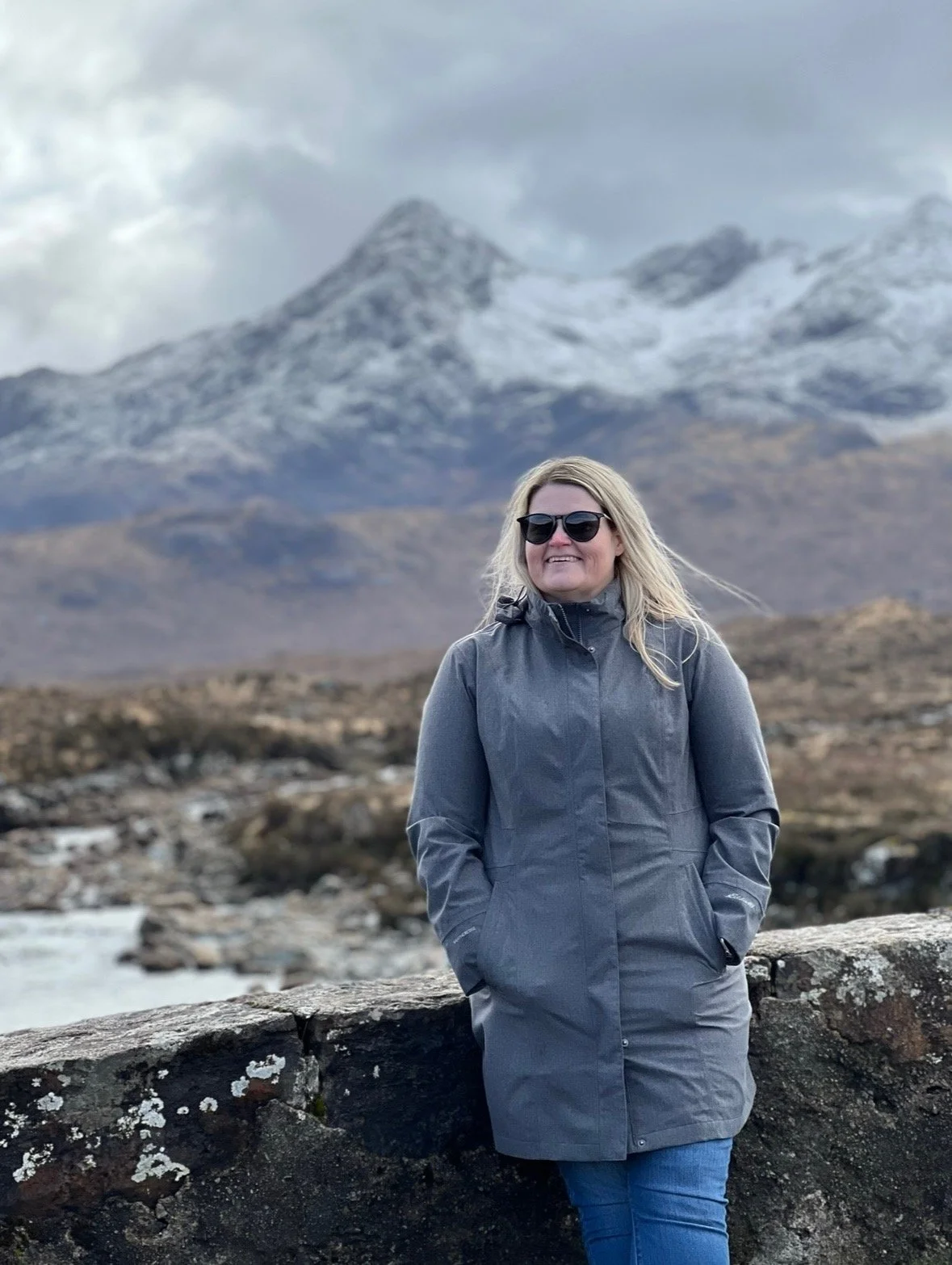
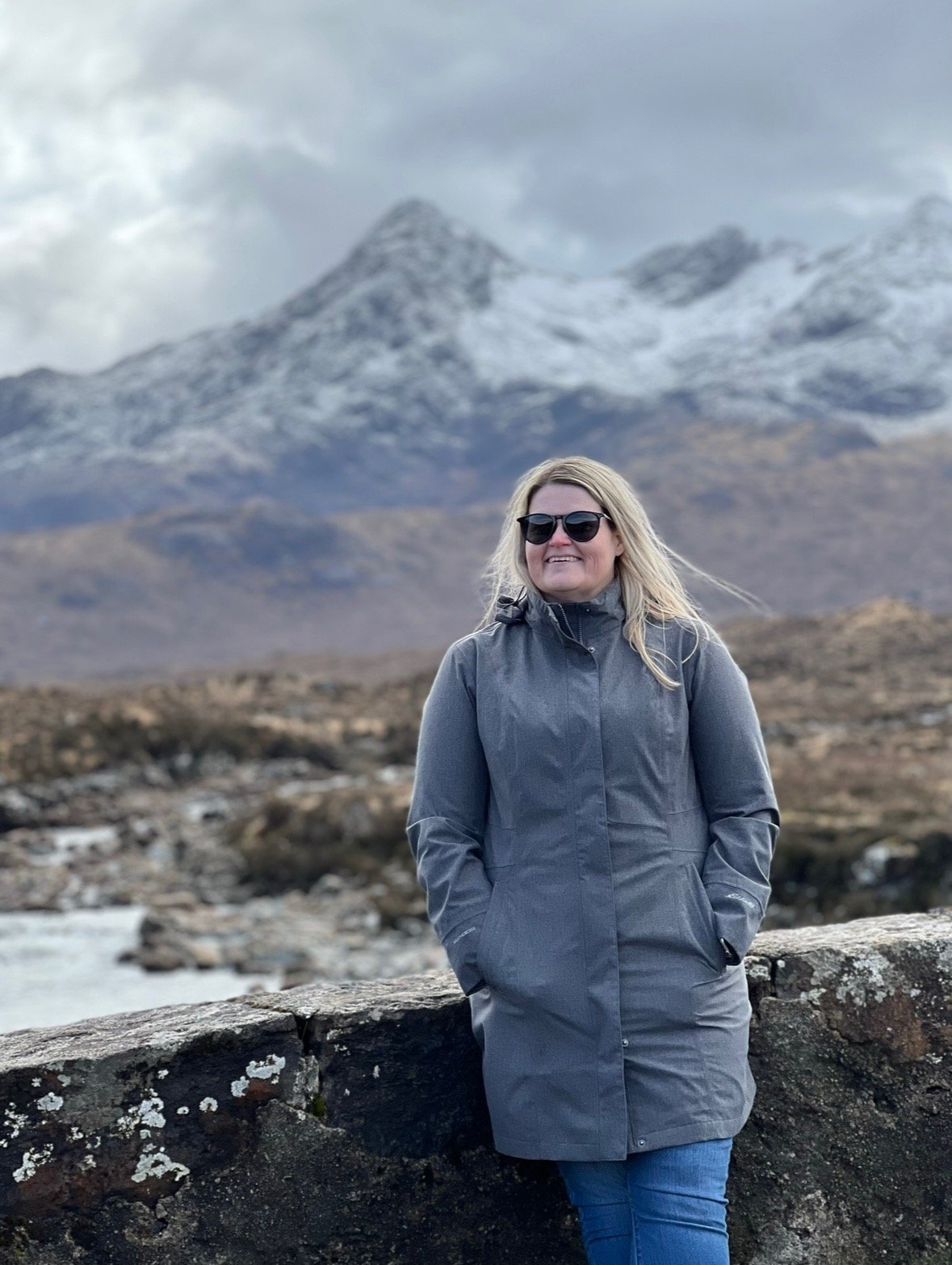
-I learned the hard way in Scotland that many sinks in Europe have a drain plug in the sink that has to be pushed to be released. An embarrassing call to hotel staff oriented me to that difference. 

-Get TSA Precheck if you fly more than once a year and Global Entry if you fly internationally. TSA Precheck will expedite your security process when leaving from the U.S. Global Entry will help you skip the long custom lines upon arrival to the U.S. 

Land + See specific

-We usually go to 3 different hotels/locations so I like to put the clothes for the next destination in my backpack (personal bag) and rotate as we move so things are easier to find. Packing cubes can come in handy to help organize, but don’t expect them to save space. 

-Bring one nice outfit in case we do a fancy dinner. 

-Bring enough cash to cover your dinners on the trip. It is difficult to find a restaurant to split checks, especially with so many travelers, so adding your cash for what you ordered to the pot in the middle is the most efficient way to pay. 

-Get out of your comfort zone and go with the flow. Some of my favorite travel memories happened when things didn’t go as planned. 

-The strangers you meet while on the trip may become family to you. Many of us have become life-long (so far) friends and keep in touch long after the trip has ended. 

What to Pack: Kenya in a Carry-On

What to Pack: Kenya in a Carry-On

Packing for a safari to Kenya can be an overwhelming task, but when you’re traveling with just a carry-on, it can be downright scary.

But not to fear, Land + See is here!

Even though it requires careful planning and preparation to make sure you have all the necessary items, you absolutely can and should treat Kenya like any other carry-on friendly destination. To help ease your mind we’ve created a go-to packing list to ensure you don’t leave anything important behind.

Clothing

  1. Lightweight, breathable clothes:

    • 3–4 T-shirts or long-sleeve shirts (neutral colors like beige, green, or khaki).

    • 2–3 pairs of lightweight pants or convertible zip-off trousers.

    • 1 pair of shorts (optional for lodge downtime).

    • 1–2 lightweight dresses or skirts (optional for evenings).

  2. Warm layers for early mornings and evenings:

    • 1 fleece jacket or warm sweater.

    • 1 lightweight windbreaker or rain jacket (February can bring occasional showers).

  3. Undergarments and socks:

    • Enough for the trip, or plan to wash items.

  4. Comfortable shoes:

    • 1 pair of sturdy, closed-toe shoes or hiking boots.

    • 1 pair of sandals for relaxing at the lodge or camp.

  5. Hat and sunglasses:

    • Wide-brimmed hat for sun protection.

    • Polarized sunglasses.

  6. Swimsuit:

    • For lodges with pools.

  7. Sleepwear:

    • Comfortable and weather-appropriate.

Toiletries and Personal Care

  1. Travel-size toiletries:

    • Toothbrush, toothpaste, deodorant, shampoo, soap, and any personal items.

    • Biodegradable options are preferred.

  2. Sunscreen (high SPF):

    • Essential for sun protection.

  3. Bug spray with DEET or Picaridin:

    • For mosquitoes and other insects.

  4. Lip balm with SPF:

    • Protect against sun and wind.

  5. Travel laundry detergent:

    • For washing clothes if needed.

Gear and Accessories

  1. Daypack (small backpack):

    • To carry essentials during game drives (camera, water, etc.).

  2. Binoculars:

    • Essential for wildlife viewing.

  3. Camera with extra batteries or charger:

    • Or a smartphone with plenty of storage.

  4. Reusable water bottle:

    • Stay hydrated; many lodges provide water for refills.

  5. Universal power adapter:

    • Kenya uses Type G plugs (UK-style).

  6. Lightweight scarf or buff:

    • For dust protection during drives.

  7. Notebook or journal:

    • To record your safari experiences.

  8. Headlamp or flashlight:

    • Handy for nighttime use in camps.

  9. Travel documents:

    • Passport, visa, travel insurance, and any necessary permits (printed and digital copies).

Health and Safety

  1. First-aid kit:

    • Pain relievers, antihistamines, motion sickness medication, band-aids, etc.

  2. Malaria prevention medication:

    • Consult a doctor before your trip.

  3. Hand sanitizer and wet wipes:

    • For hygiene on the go.

  4. Masks (optional):

    • For dust or personal comfort.

Packing Tips

  1. Layer and roll clothing:

    • Saves space in your carry-on.

  2. Wear bulkier items on the plane:

    • Like your hiking boots and jacket.

  3. Keep liquids in a quart-sized bag:

    • Follow airline carry-on restrictions.

  4. Check baggage weight limits:

    • Ensure your carry-on and backpack meet size and weight requirements.