Viewing entries tagged
off the beaten path

Top 10 Travel Photos (Part 4)

Top 10 Travel Photos (Part 4)

Walking down travel memory lane the other day with our Top 10 Travel Photos Part 3 reminded me just how many incredible moments we’ve shared. I couldn’t help but keep going—revisiting more of those amazing memories and feeling so grateful all over again.

We are truly blessed to have visited so many incredible countries with so many wonderful people. That blessing is not lost on me. I’m so thankful that our paths have crossed, and that together we’ve built a travel community that inspires, supports, and celebrates each other.

Honestly, we wouldn’t be able to do what we do without all of you. You are the best part of what makes traveling so special. Thank you for being part of this journey with us.


#1 Scenic Train, Norway
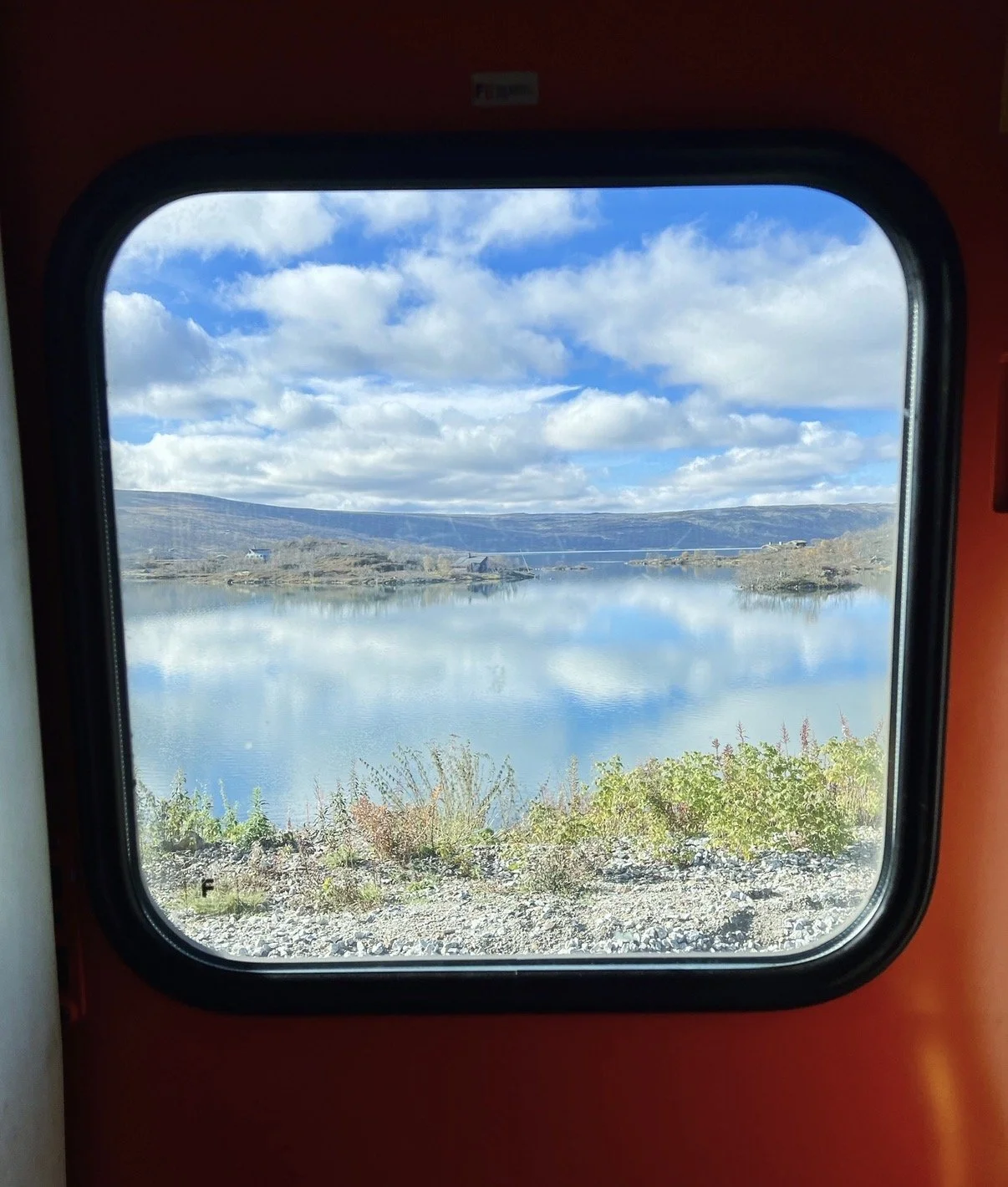
While traveling across Norway from Oslo to Bergen, we took one of the most breathtaking train rides of our lives. The scenery was surreal—snowcapped mountains rising majestically above valleys, crystal-clear lakes mirroring the sky, and forests dusted with frost that seemed to sparkle in the fall light. Every time I tried to capture it in a photo, I felt a pang of disappointment—nothing could accurately convey the quiet beauty of what we were seeing. You simply had to be there.

But the train ride was more than just a feast for the eyes. It was alive with unexpected moments and human connection. Jordan and I found ourselves seated next to members of a men’s choir heading to Bergen to compete, their laughter and stories filling the car. In another car, several members of our group broke into a sing-along, belting out “The Hills Are Alive” from The Sound of Music, their voices bouncing off the windows and up into our train car.

Later, in the cozy cafe car, Peter struck up a conversation with a Norwegian passenger over a book. Before we knew it, we were invited to attend a lecture he was giving later that week—an unplanned connection that made the journey feel even more intimate.

I’ve taken many train rides in my life, but this one stands out. And as if the trip couldn’t get more thrilling, we later spotted a familiar face at breakfast in our hotel—one of the Hobbits from Lord of the Rings.


#2 Fresh Catch, Panama
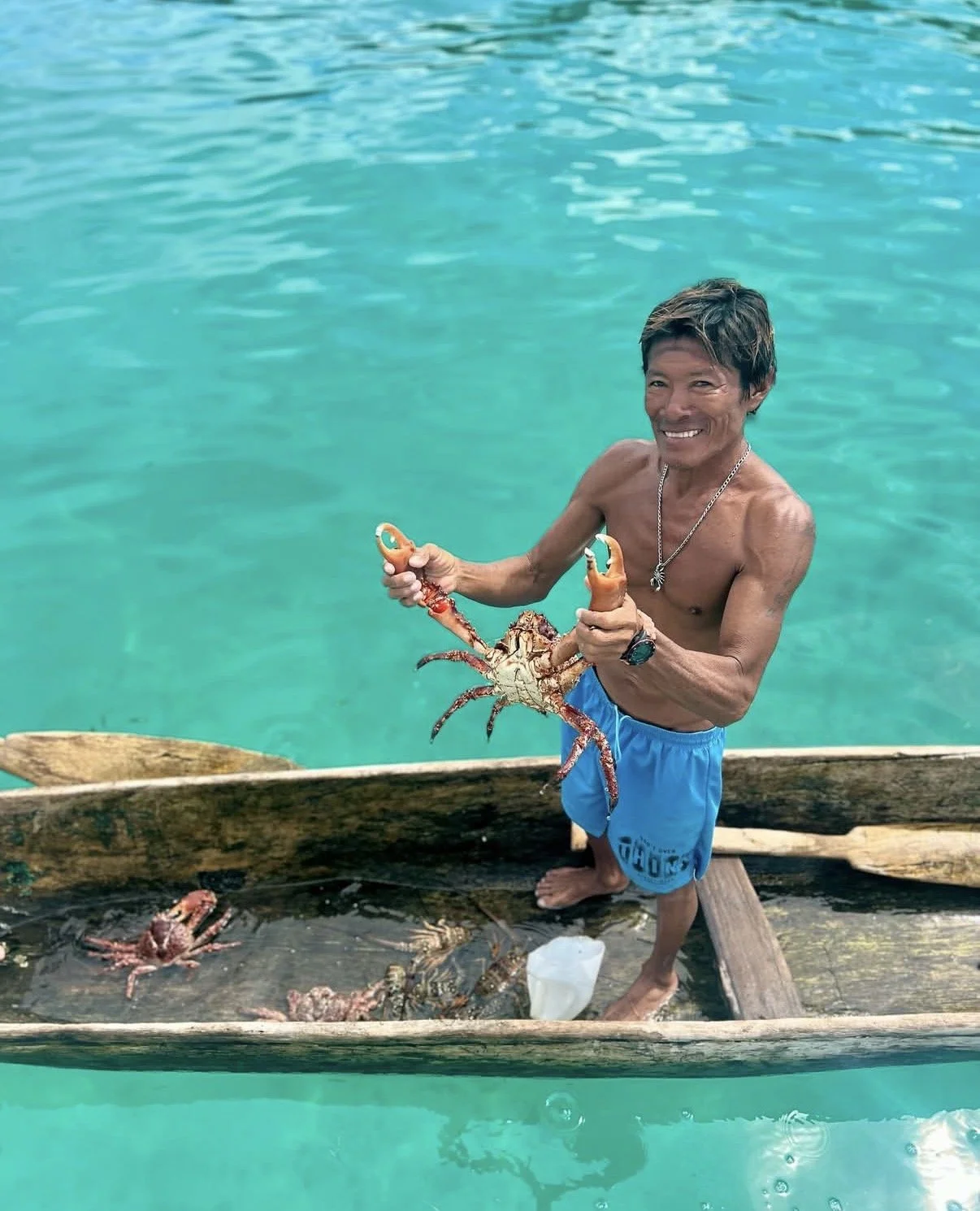
Jordan uses nearly all of his PTO to join me on Land + See group tours, so when it comes to traveling with our kids these days, we have to get a little creative. In 2024, that meant trading in turkey and mashed potatoes for a glorified long weekend over Thanksgiving… in Panama—a place we’d been secretly obsessed with thanks to some trashy reality TV.

Even though we were only there for five days, we made every moment count. We started in Chame along the Pacific, then set off on an overnight catamaran adventure to the San Blas Islands, and wrapped things up in Panama City. Each stop different than the next.

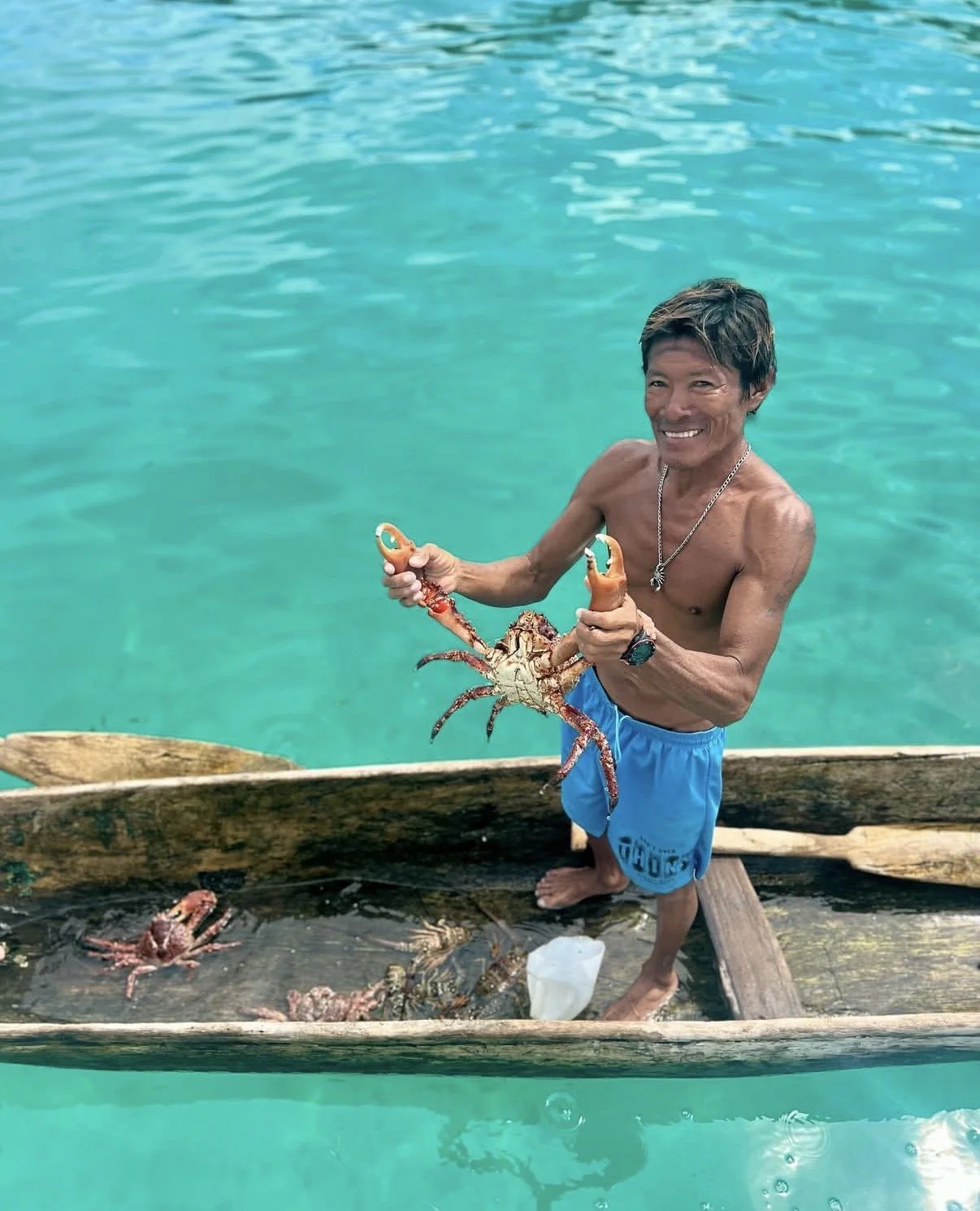
For everyone, the highlight was San Blas. We snorkeled in crystal-clear waters, sipped straight from fresh coconuts, and were treated to the freshest seafood by local fishermen—like this guy—who welcomed us with warm smiles and generosity. It was a Thanksgiving unlike any other: non-traditional, sun-soaked, and full of laughter.

We missed seeing our family, of course, but sometimes you have to grab the little breaks when you can.


#3 Books in Kenya

I should start by acknowledging the obvious—this is not a great photo. I shot it on my iPhone, it’s out of focus, and honestly, the framing leaves a lot to be desired. But the image itself doesn’t matter. What it captures is a moment I will remember for the rest of my life.

Ever since I met my friend—and former neighbor—Peter, I’ve known how much he loves books. I first realized this before our trip to Croatia, when he left me a copy of Rebecca West’s Black Lamb and Grey Falcon, detailing her six-week journey through Yugoslavia in 1937. Peter has a remarkable gift for learning, and he often expresses it through small, thoughtful gestures—like giving books that reflect your interests, your shared memories, or something he knows will spark curiosity. For Peter, giving books is a love language. As a former educator and lifelong reader, it’s endearing, heartfelt, and deeply personal—a gift Jordan and I have been lucky enough to receive for years.

But this moment in Africa went far beyond books. Peter has volunteered with Books for Africa for years, and on this trip, he coordinated a generous donation to the children of Ewangan at Semadep School. Watching him hand over those books, seeing the joy and curiosity on the children’s faces, was profoundly moving. I could feel the meaning of it for him—the culmination of years of passion, care, and dedication to literacy and learning.

It was one of the most heartwarming and beautiful moments I’ve ever witnessed on a tour. For Peter, it wasn’t just about the books—it was about sharing knowledge, sparking wonder, and giving something that could truly change a child’s world. Being there to see it unfold was a gift in itself.


#4 Sunset in Maasai Mara
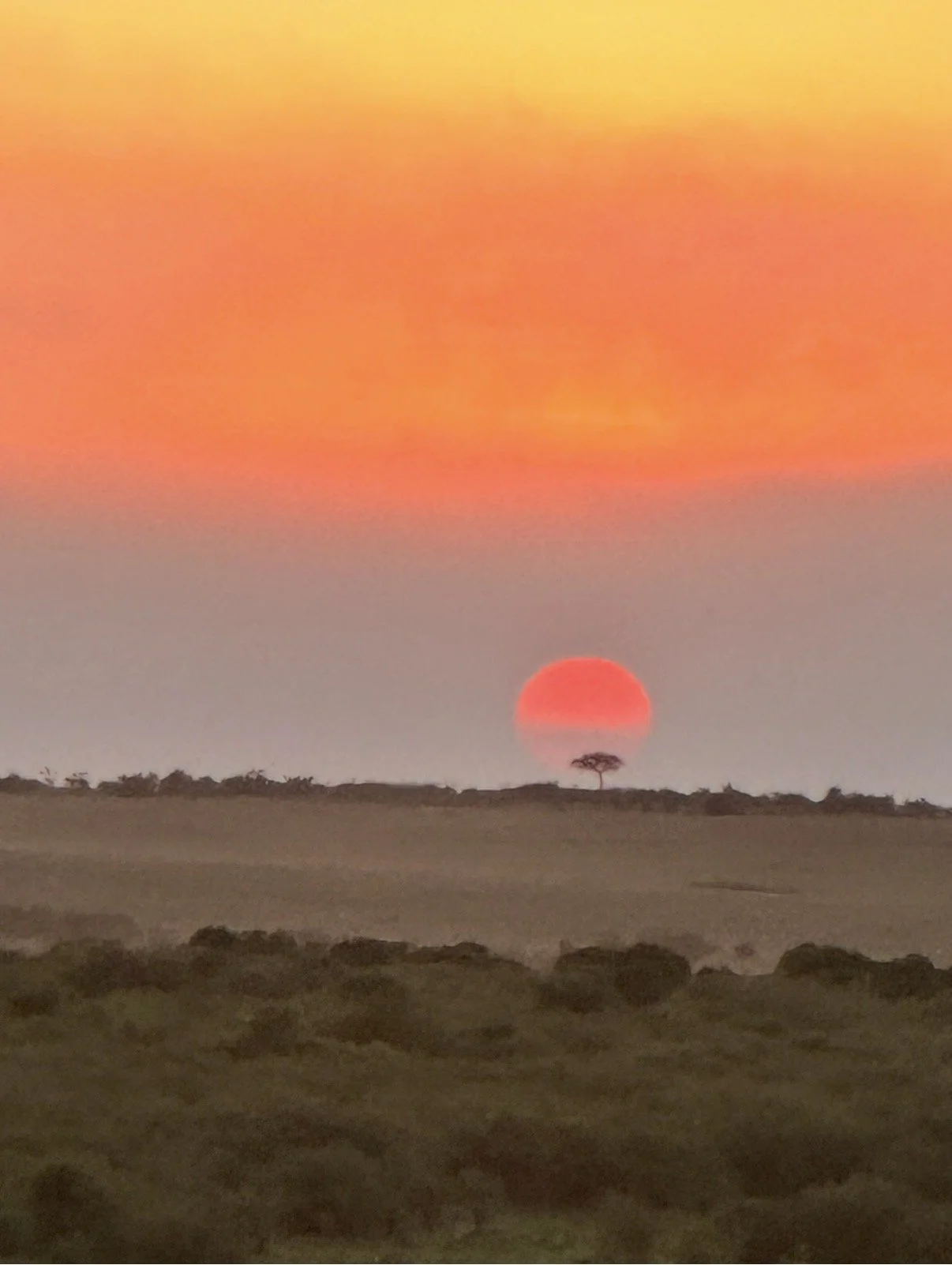
As much as I try to give each trip its own moment, I can’t move on without acknowledging Kenya—and its life-changing sunsets. We were lucky enough to witness several, but this one, on our way to camp in the Maasai Mara, stands out vividly.

It’s just a simple iPhone photo, but the memory is anything but simple. The sun radiated wavy heat lines as it sank behind an acacia tree. Not long before, we had stumbled upon a family of cheetahs, lying lazily nearby, and the sensory overload of it all—sight, heat, sounds of the wild—was almost more than I could process.

It’s the kind of moment photos can’t capture—you truly had to be there to feel it—but those of us who were know it was transformative. A fleeting sunset, a glimpse of wild beauty, and an experience that we often still talk about.


#5 Tomb Raider, Cambodia
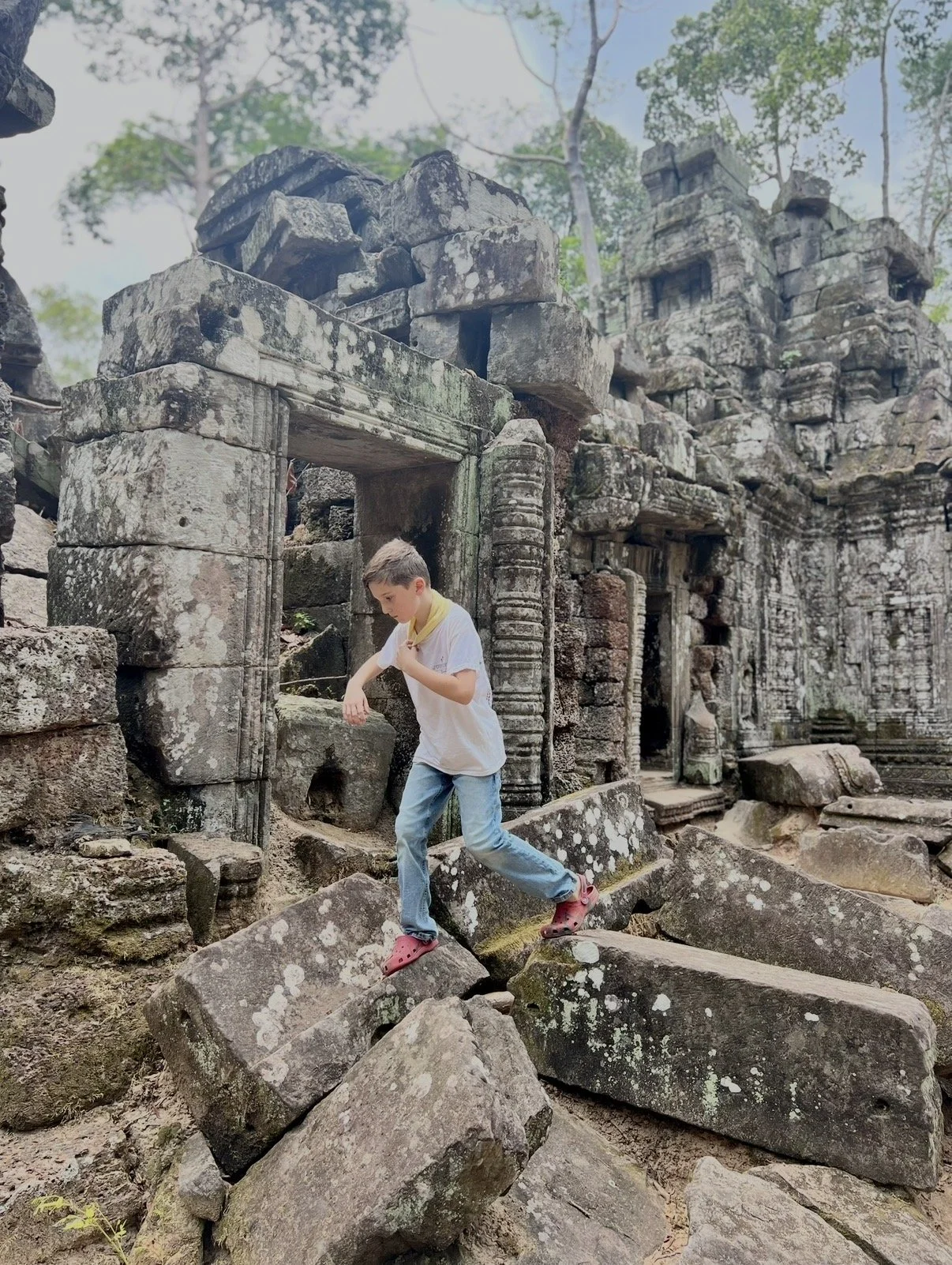
In 2025, we traveled to Vietnam and Cambodia as a family during the boys’ Spring Break. Every day was filled with unforgettable moments, but for me, the most profound came at Angkor Wat.

Of course, the main temples are awe-inspiring—towering, majestic, meticulously preserved—but it was the hidden ones that left the deepest impression. Temples half-swallowed by the jungle, with roots twisting through stone and moss carpeting the walls, stood quietly, untouched by modern hands. Walking among them, you felt the weight of centuries and the quiet persistence of nature reclaiming history.

Maybe it was the nostalgia of years spent playing Tomb Raider on our old Compaq Presario, or the haunting first-person stories of a people still rising from the shadows of genocide—but Cambodia left its mark on my heart. The temples, the jungle, the resilience of its people—all of it combined into a moment that felt both timeless and painfully human.


#6 The Dolomites, Italy
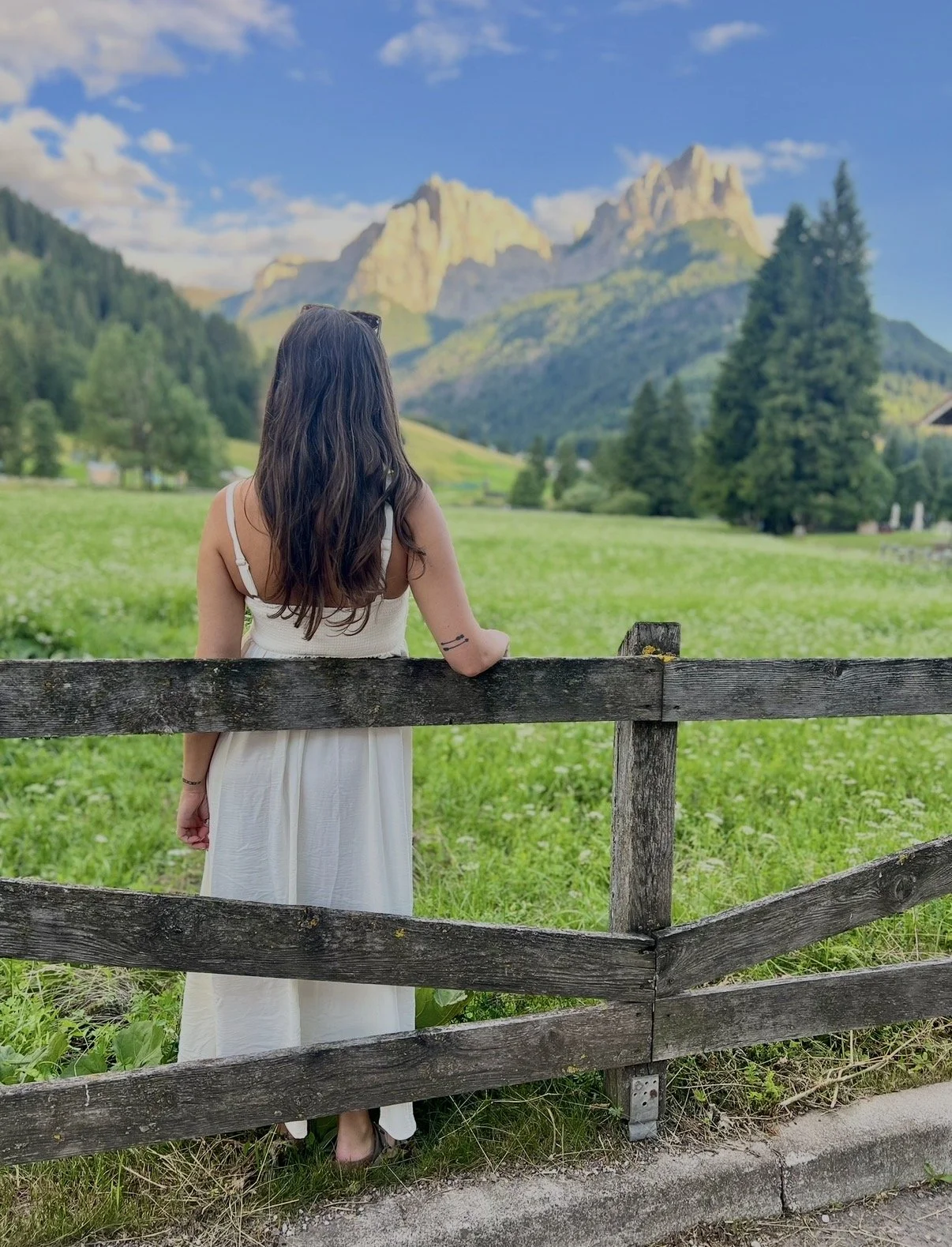
As much as I understand why certain places become tourist hotspots—and recognize their undeniable value—I have to admit that sometimes, even while working, I get a little restless. I love Milan, but after a few visits, my heart starts to crave something new, something off-the-beaten-path, something that feels undiscovered.

When I’m planning tours, there’s always a balancing act: honoring the tried-and-true gems that people come to see, while also indulging my selfish pull toward the unknown. That tug-of-war is part of the thrill, but also part of the challenge.

That’s why our summer trip in 2025 holds a special place in my heart. We veered off the usual path and spent a few days in the Dolomites. It probably wasn’t the main reason most travelers signed up for the trip, but for me, it became the highlight. The mountains were jagged, majestic, and utterly untamed. The air was crisp and fresh, carrying the scent of pine and wildflowers, and the silence between peaks felt almost sacred.

Outside of a few adventurous souls, the Dolomites aren’t visited in quite the same way as the Swiss or Austrian Alps—and that’s exactly why I love them. The longer a place can stay set apart, quiet, and special, the more my heart wants it.

This particular photo is the view from our hotel—a view so expansive and mesmerizing that it was impossible not to get lost in it. Even now, I revisit that panorama in my mind, letting it remind me of why I fell in love with travel in the first place.


#7 Marija’s House, Dubrovnik
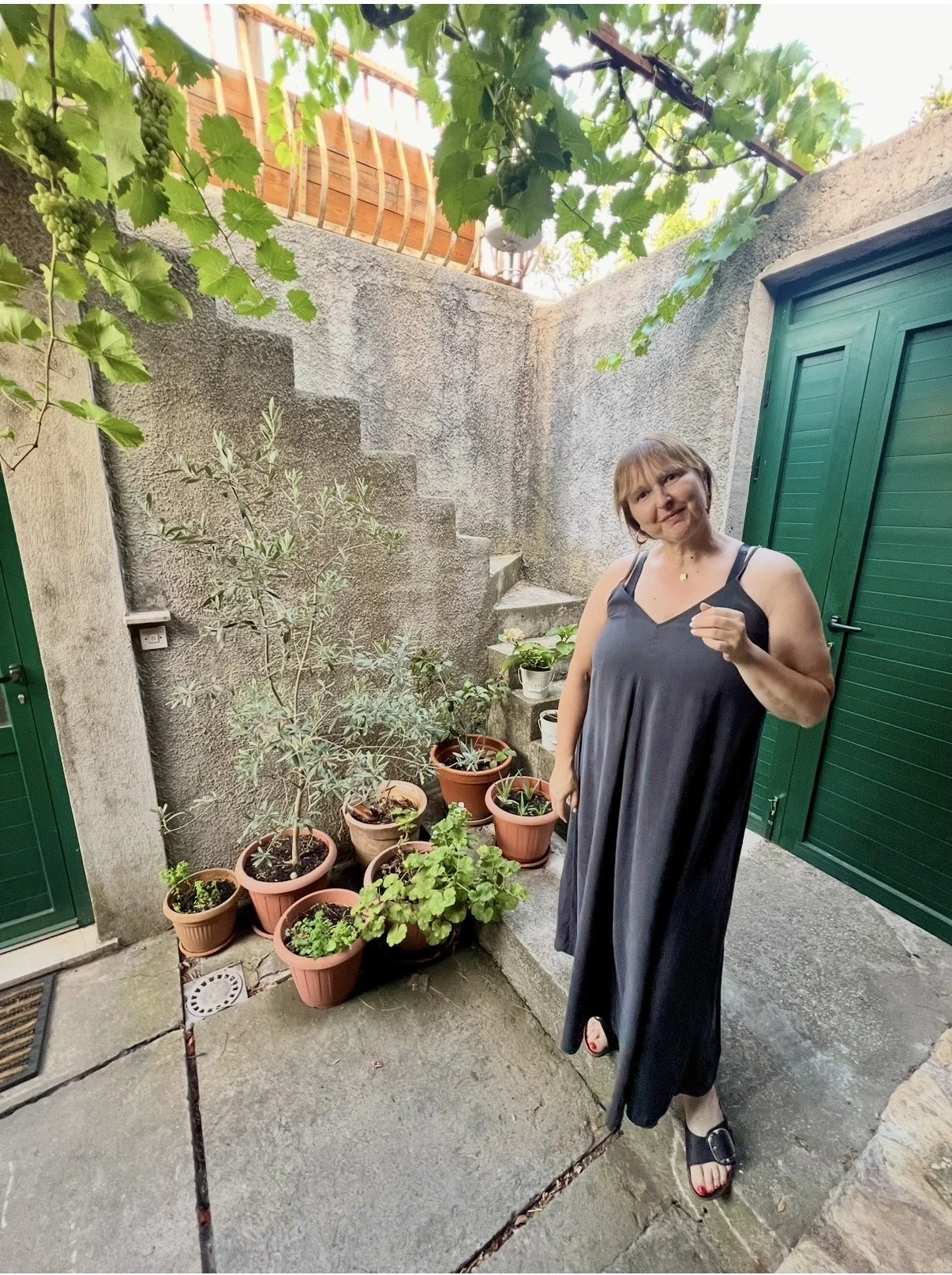
Boy, I could write an entire blog post just about this woman, but I’ll do my best to condense it into bite-sized pieces here. Marija is the very definition of resilience, ambition, and perseverance.

I first met her on our very first trip to Croatia in 2021. She had recently opened her home to travelers, sharing not just her incredible traditional Croatian cooking—like peka, slow-cooked under a steel bell with hot coals, or Zlatko’s home-brewed rakija—but also a human connection that felt rare and intimate. I’m not what you’d call a foodie, but Marija’s food melts in your mouth, and even more importantly, her warmth leaves a lasting impression.

There’s something profoundly special about being welcomed into someone’s home. It’s intimate, raw, and real. You can ask difficult questions, glimpse life through someone else’s eyes, and walk away forever changed. That’s exactly what happens when you spend time with Marija.

We make it a point to visit her whenever we’re in Croatia, and lately, the rest of the world is catching on. National Geographic, Forbes, and other major publications have discovered the magic of Marija and Zlatko’s home: sun-ripened tomatoes, sweet plum rakija, and a belly full of friendship.

Marija has even gone on to open her own restaurant, Local, in downtown Dubrovnik. As much as I hate to share her with the world—because her home and her hospitality feel so personal—it’s incredible that more people now get to experience a taste of that magic.

Marija isn’t just about food. She’s about generosity, connection, and the way a shared meal can bridge cultures, hearts, and stories. And anyone lucky enough to meet her leaves richer than when they arrived.


#8 Mel, England
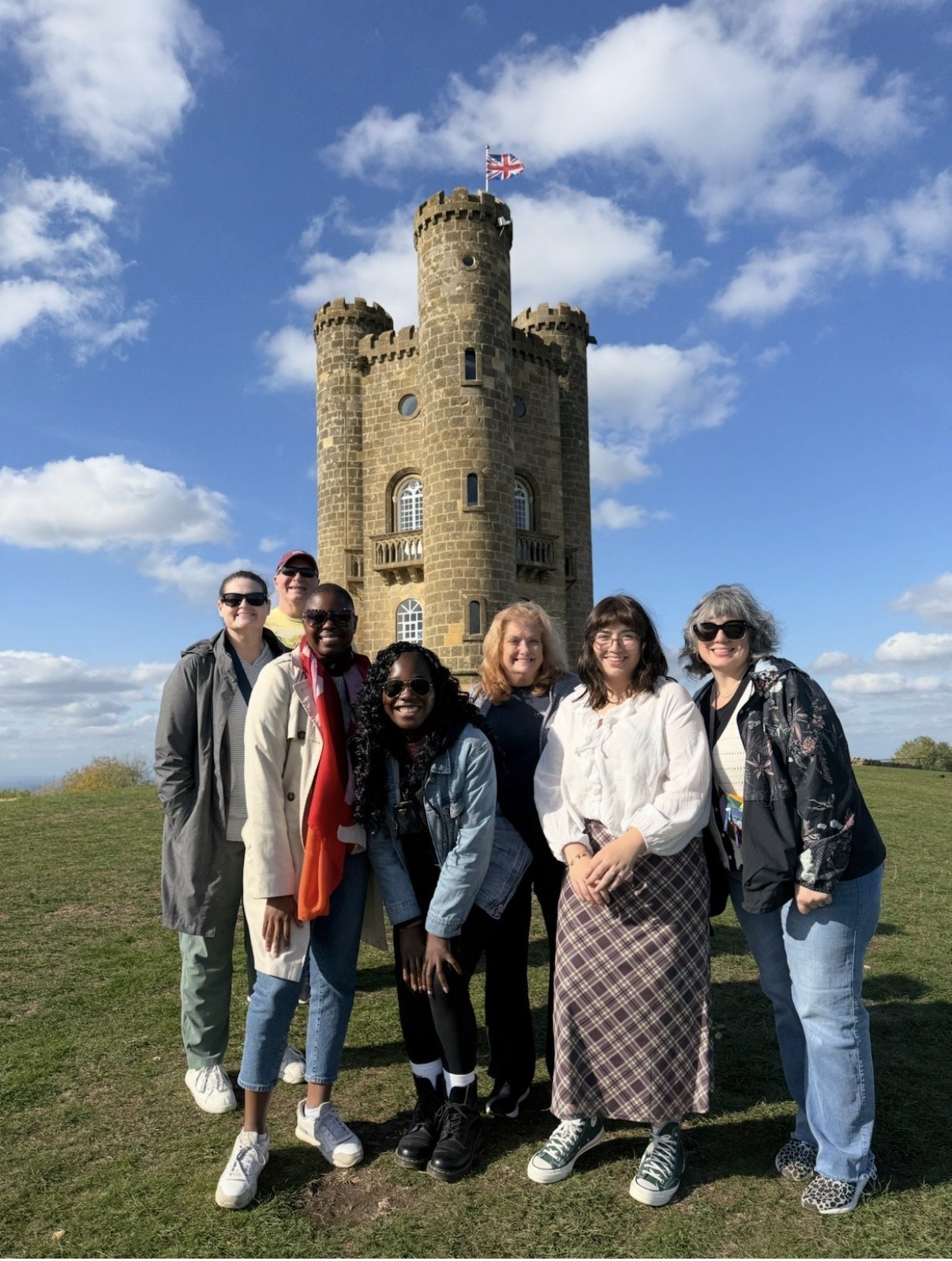
Around the same time I was wrestling with the evolution of Land + See, I realized I wanted to take it to the next level—to scale it in a way that would allow more people to experience the kind of travel that changes you. I am so proud of what we’ve accomplished so far: trips selling out, long waitlists, and countless people saying yes to adventure. But quickly, it became clear that if we are going to grow, it was more than I could handle on my own.

In January, I put on my vision board that I wanted to hire a tour director—a dream that felt almost too big to imagine. I knew that the more people we could get out in the world, the faster empathy, connection, and understanding could spread—and I didn’t want to be in the business of turning people away.

Enter Mel. Mel and I met on LinkedIn of all places, and over the course of the year, we decided to collaborate on our England trip—her home country. For the first time, I stepped back from leading the tour myself, and Mel took the reins. Watching her fit in so naturally with our travelers, and seeing how warmly our travel community welcomed her, was so rewarding.

It reminded me why I started Land + See in the first place: for the people, the stories, and the moments that only happen when you share a place through someone else’s eyes. It also gave me hope—and excitement—for the future. There are so many more Mel’s out there, eager to show travelers their hometowns, their traditions, their worlds. And I can’t wait to bring them into the fold, to continue growing this community, and to create even more moments that inspire connection, curiosity, and joy.

The future of Land + See feels limitless—and this is just the beginning.


#9 Gap of Dunloe, Ireland
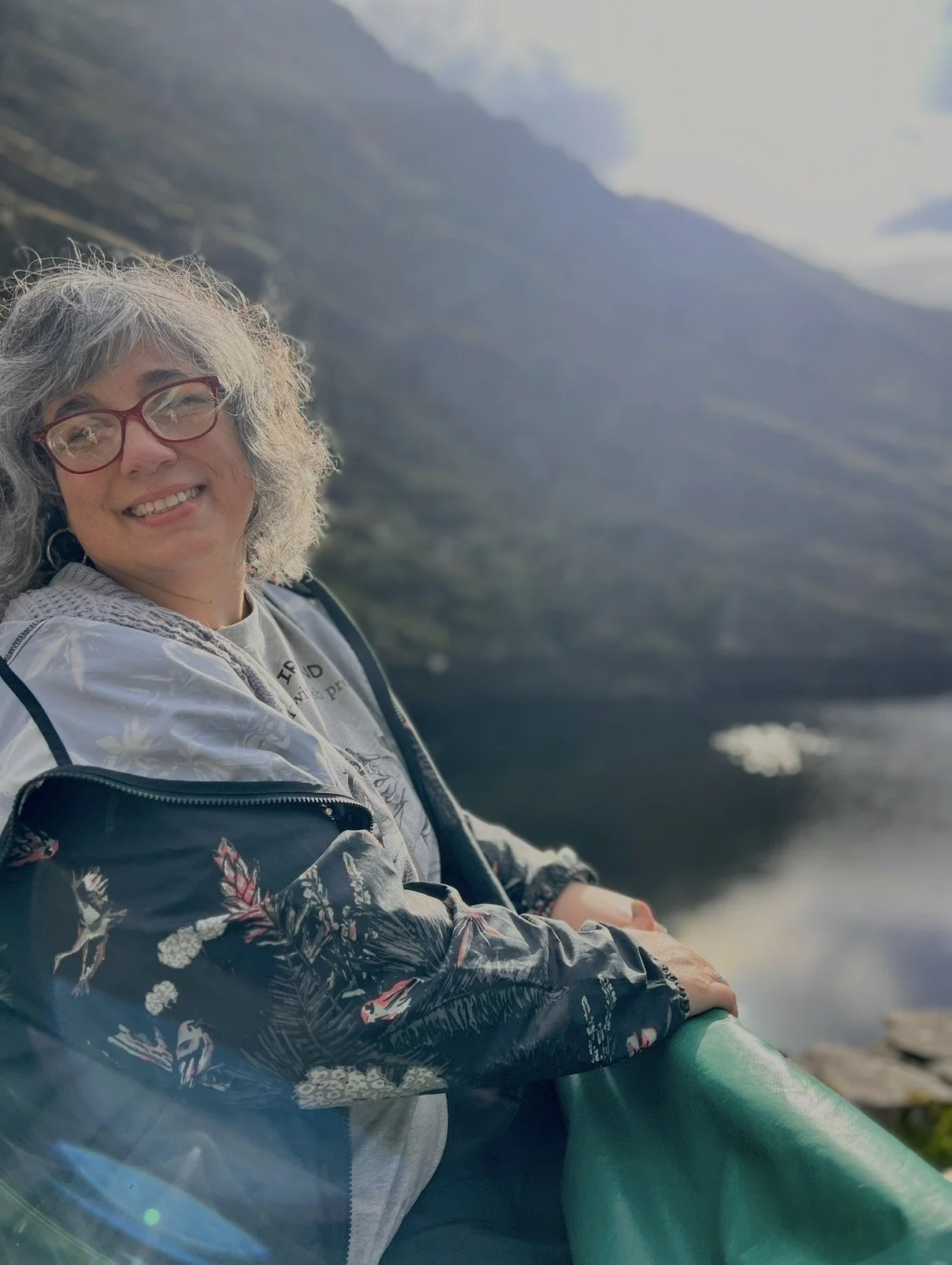
On our trip to Ireland this fall, we saw so much, but my favorite day was riding with a jarvey through the Gap of Dunloe. We were blessed with perfect weather, and even though our group had to split up and walk part of the way while our horse took a little break, the scenery was absolutely breathtaking.

This photo captures Christina—probably the most photogenic human alive—embodying the joy we were all feeling that day: unbridled, wild, and full of life. It was one of those moments where the landscape, the laughter, and the sheer sense of freedom all came together perfectly.


#10 Tequila, Mexico
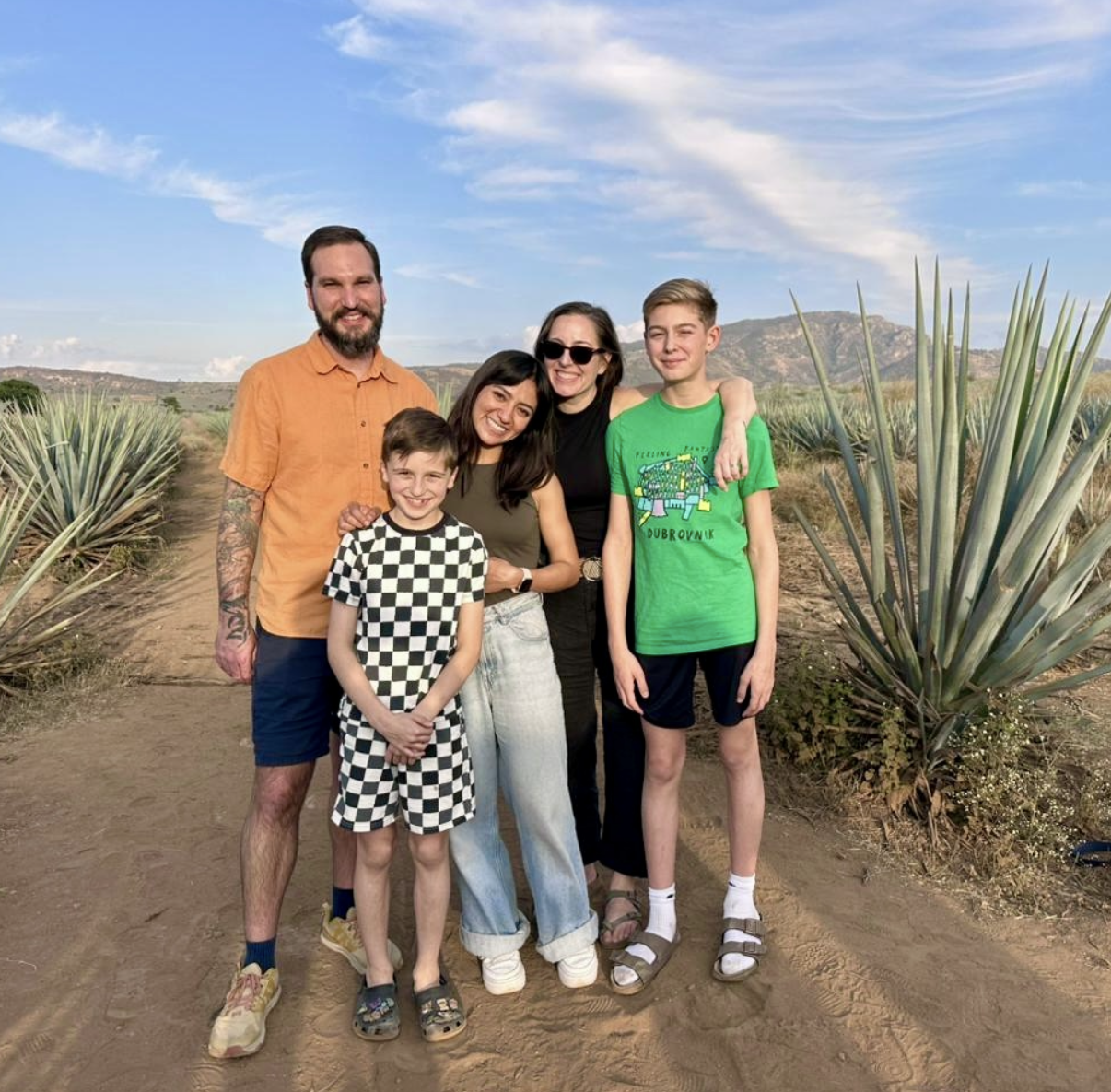
When we first moved to Atlanta, we hired an au pair—more out of necessity than convenience. Schools were virtual, and Jordan and I were juggling in-person jobs. That’s when Denisse came into our lives—our fifth family member, and honorary Picchiottino.

We had an incredible year sharing our lives with her, but, as these things go, she eventually returned home to continue her studies, leaving a Denisse-shaped hole in all of our hearts. That’s why it was so special to visit her this past year and get a glimpse into her life.

Together, we explored several areas of Mexico, tasting the local treats, laughing, and bonding with her family. One day in Tequila stood out as a favorite. It hit me that while the places we visit draw us to travel, it’s the shared stories, the people, and the bonds we form along the way that linger the longest. One of the most beautiful things we can do in life is share our lives with one another—and that trip with Denisse and her family embodied that completely.

It’s no secret I love getting inside people’s homes when we travel, but seeing life through Denisse and her family felt like experiencing Mexico as authentically as possible without actually being from there. And in a rare gift, she let me simply be the traveler—without worrying about holding it all together. That freedom, that shared connection, made the experience profoundly special.


At the end of the day, travel is about so much more than the places we see or the sights we check off a list. It’s about the people we meet, the stories we share, and the moments that remind us how beautifully interconnected our lives can be. And for me, that is the true magic of travel: the chance to open our hearts, see the world through someone else’s eyes, and leave a little piece of ourselves with the people and places we encounter along the way.

I’m so excited to see what the upcoming year has in store—the inside jokes we haven’t laughed at yet, the meals we haven’t tasted, the hidden corners of the world waiting to surprise us, and the memories we haven’t even imagined. I can’t wait for the sunrises over new horizons, the quiet moments in bustling streets, and the laughter shared with people we’ve yet to meet.
Off-the-beaten-path in Japan: A day in Mukugawa Village

Off-the-beaten-path in Japan: A day in Mukugawa Village

I’ve always believed that travel is a vehicle for human connection and a way to uncover the common ground that connects us all.

Blame it on the stubbornness of a nineteen-year-old expat trying to survive on rice and tortilla chips who had to learn the hard way that your life is only as rich as the people in it. Some of the greatest lessons in my life have been shared over a home-cooked meal and an honest conversation.

That first struggling semester in Micronesia paled in comparison to the joy I found amongst my adopted Sri Lankan family later that year. My auntie upped my cooking game by teaching me how to mix flavors for depth and quality—My entire perspective shifted when I saw how joyful life could be with only the simplest of things and without the added pressure of keeping up with the Joneses—And surprisingly, I learned not to take myself so seriously, and to laugh a little along the way, often at my own expense!

When I started traveling later as a tourist, it became really hard to be satisfied by the Eiffel Towers and London Bridges of the world. They were beautiful, but there was no heart. I didn’t feel the connection I so desperately craved and often left places feeling just as detached as before I even visited.

I slowly awoke to the fact that my travels were lacking that human connection. There was no Jack Dawson inviting me to see a “real party” below deck and teaching me to see the people around me and the richness of a different way of life.

When I started Land + See Tours it was out of frustration at the cookie-cutter itineraries I’d been spoon fed up to that point. They were bright, and shiny, but lacked the depth and authenticity I’d gotten from my year abroad. Much like the start of my teaching career years ago, Land + See grew from the idea that there had to be more to it than I was given—surely it can be done better!

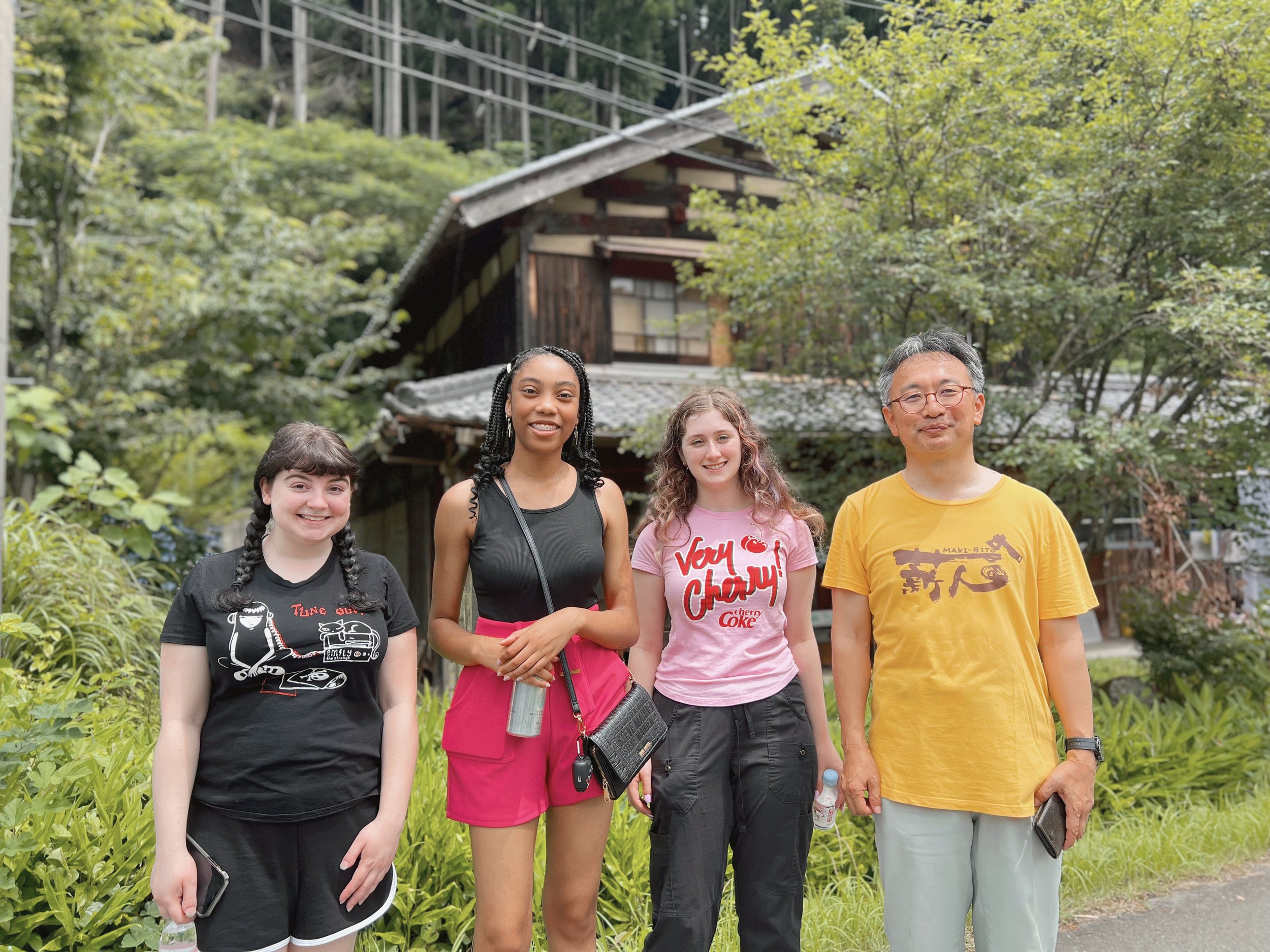
Our recent trip to Japan is a testament to this philosophy. While we met some pretty amazing people and made memories we will cherish forever, nothing was quite so impactful as the gift of a glimpse into the lives of the people of Mukugawa.

Before going any further I have to take a moment to thank Hiromi-San at Tour du Lac Biwa for hand-curating this experience for our group. Admittedly, this isn’t a tourist hot spot. You can’t book this on tripadvisor. It existed only for us—something I can’t thank Hiromi and the villagers for enough, and something that definitely added to the charm of this day.

Here is an in-depth look into our unforgettable day there.

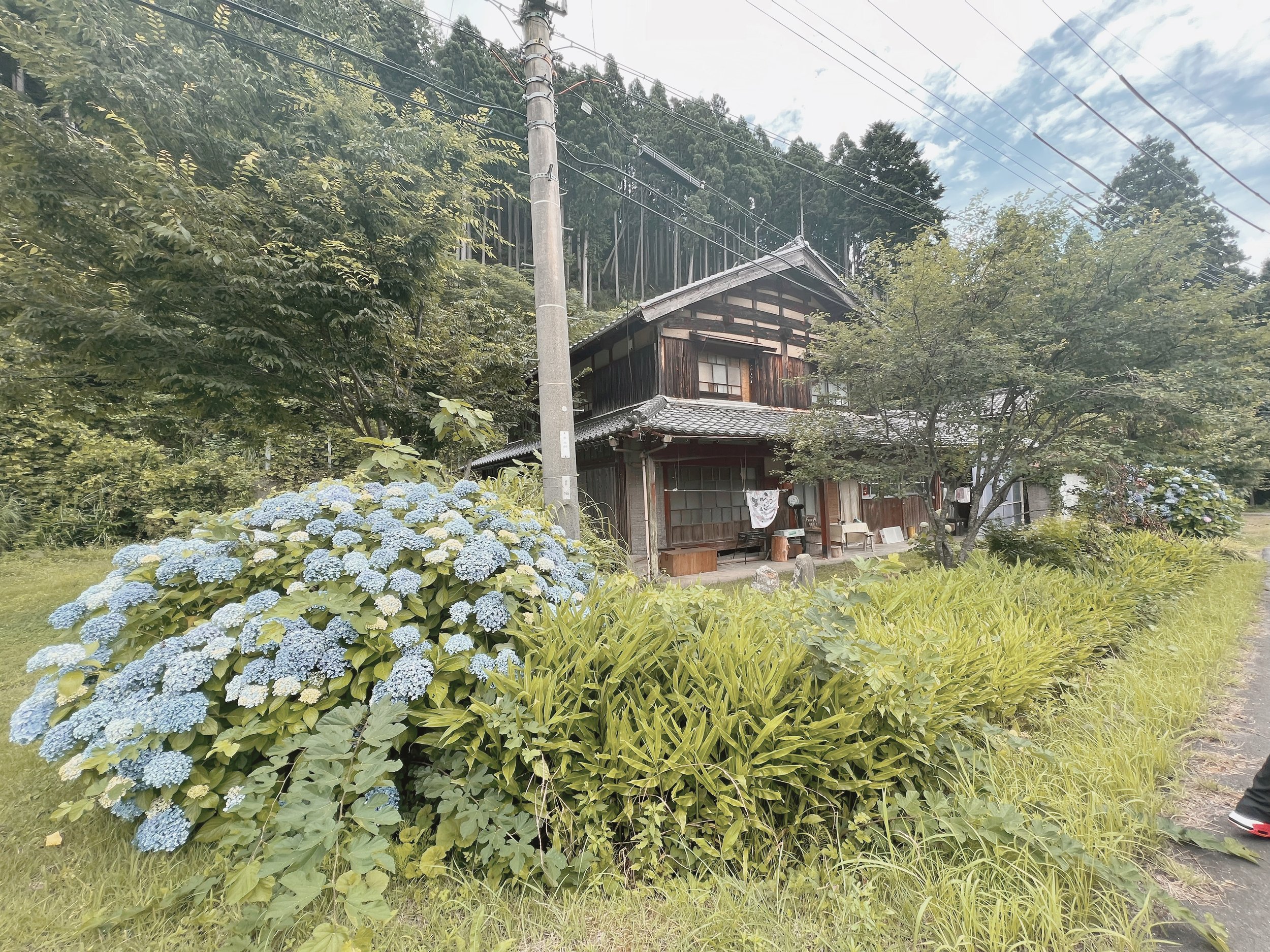
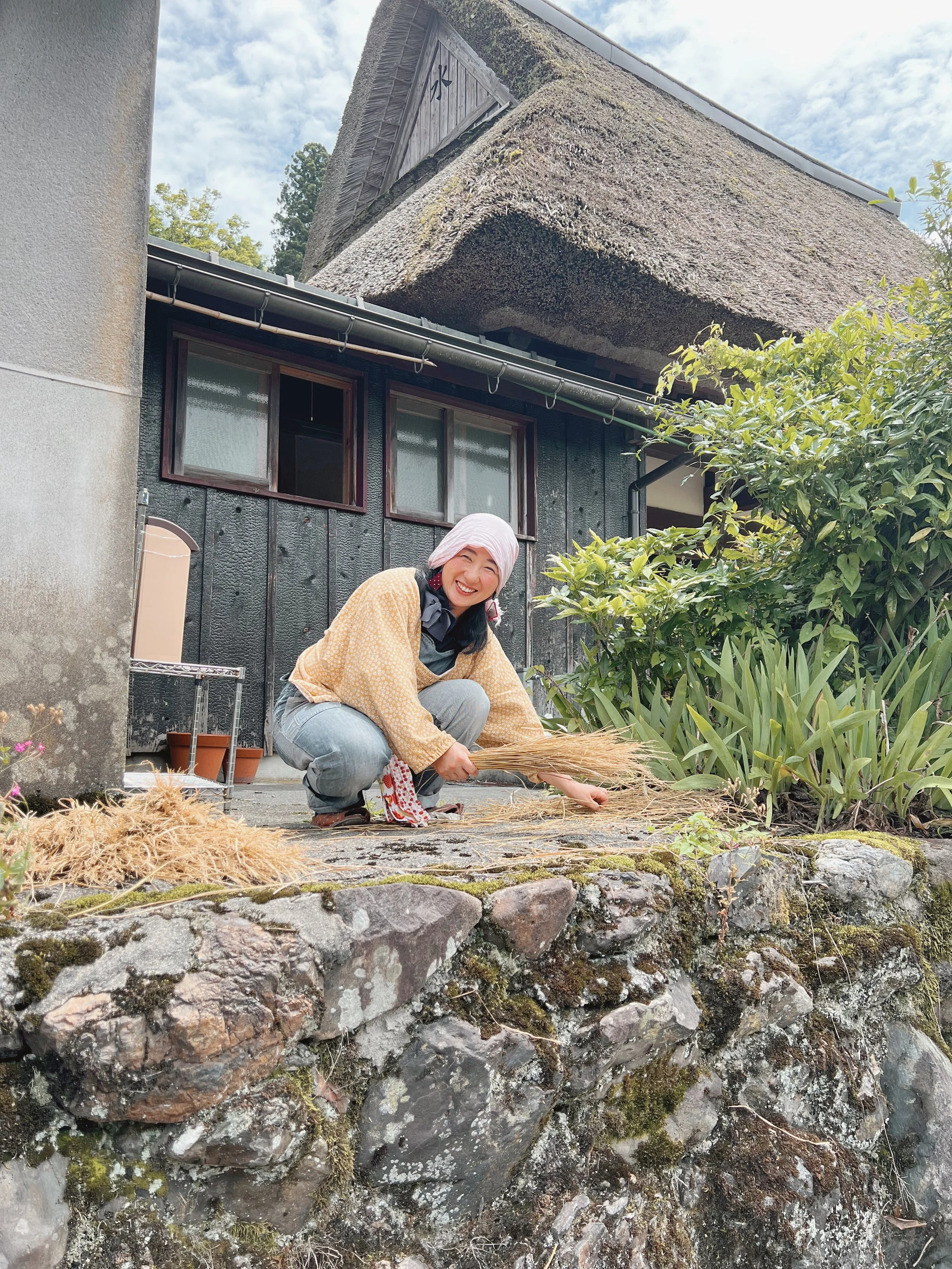
About an hour and a half outside Kyoto, and nestled snugly within the Shiga prefecture of Japan, lies the unassuming, quaint village of Mukugawa. Unlike some other long-abandoned-rural-village-turned-tourist-attraction towns such as Shirakawago, Mukugawa is still very much inhabited—granted, with a mere 29 residents, but it’s very much a living-breathing time capsule for a more traditional way of life.

The village centers around the local community center—hand-built by the villagers 150 years ago and still standing strong. Miraculously, the entire building was constructed without the use of nails, screws or electric tools. Instead, the building was constructed using a centuries-old Japanese carpentry system called joinery, which involves the creation of interlocking joints that join together carefully selected pieces of wood.

The main level has a fire-pit and an extensive gathering area gently nestled beneath an upper loft used to store rice straw. The roof itself is thickly woven from the same rice straw which has to be replaced every 15 years. Carved into the walls of the loft is the Japanese symbol for water—something the villagers need, both for a good rice harvest and protection from the fire risks that inevitably come with the traditional Japanese wooden architecture.

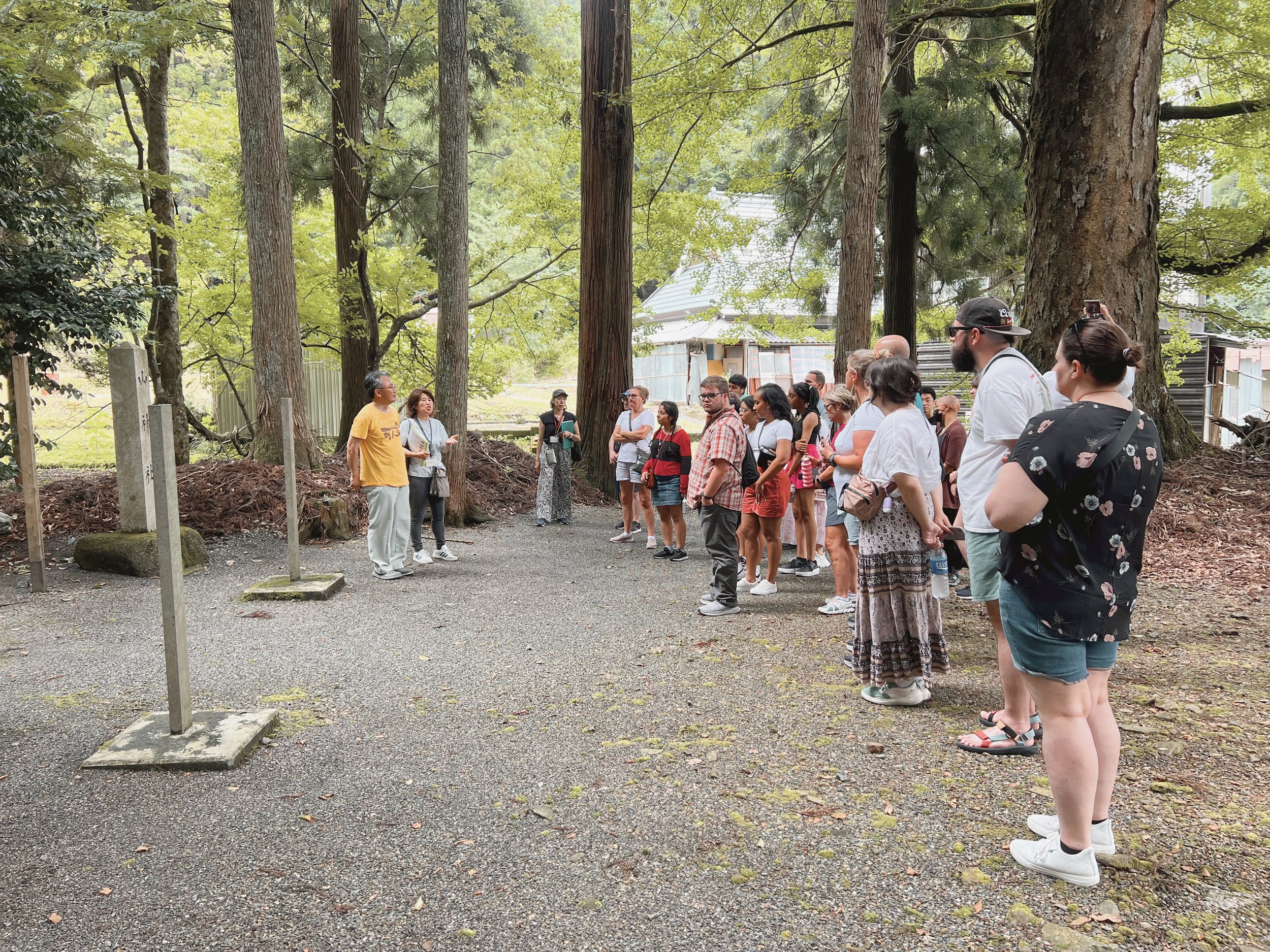
Life in Mukugawa is still fairly simple compared to the bustle of surrounding areas like Kyoto and Osaka. Villagers grow and harvest their own rice as their main ecological resource. On our walk, we wandered past dozens of local homes, including the home of one of our hosts, all surrounded by lush fields of rice paddies. It was a warm day, but we enjoyed learning about the rice harvest and local flora and fauna.

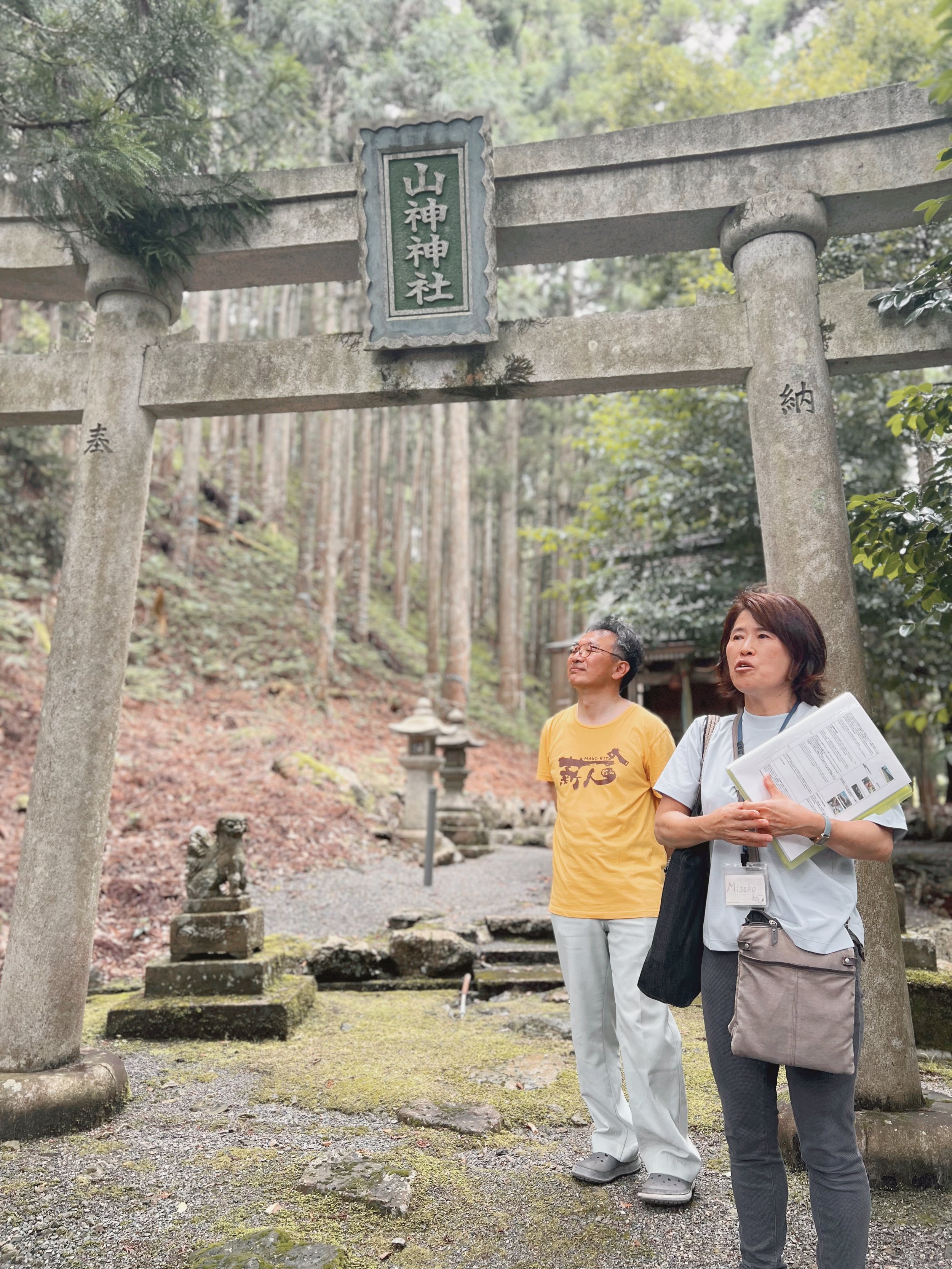
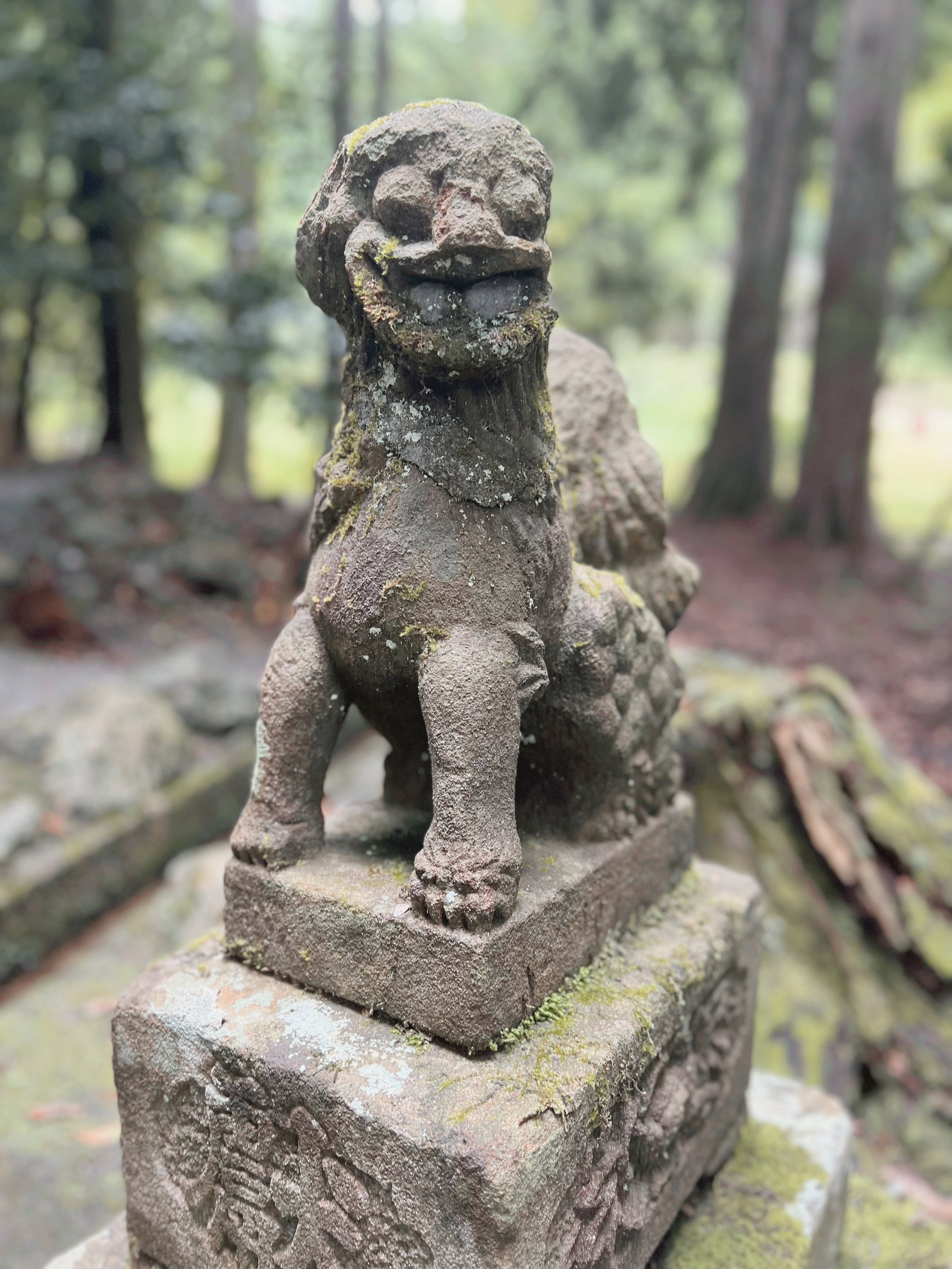
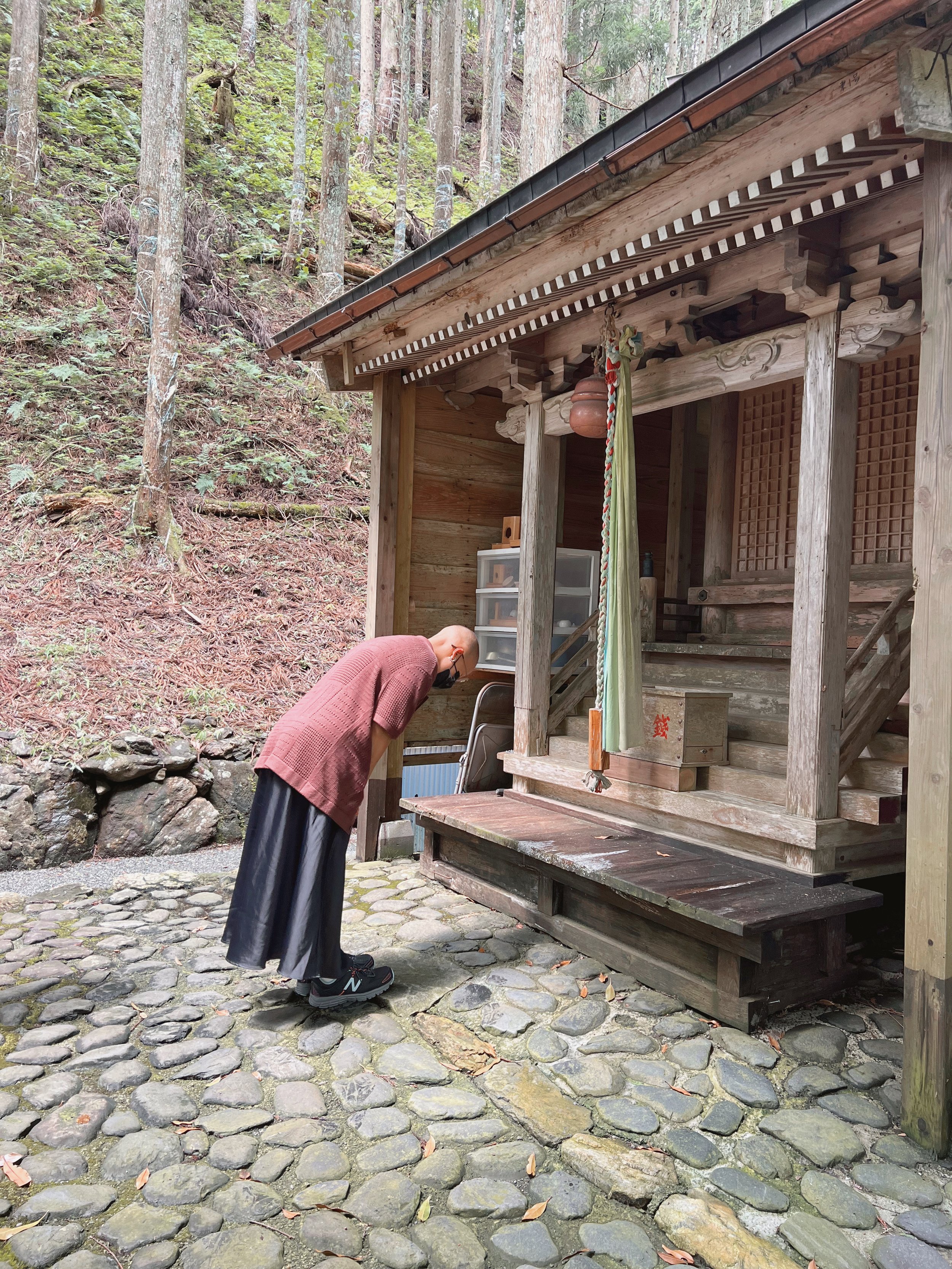
The villagers maintain two local Shinto shrines that are used as places of worship. The shrines are believed to create a link between the gods (kami) and human beings. The Tori gates provide a welcome entrance and invitation to purify oneself before visiting the small sanctuary within. Our gracious hosts taught us the Shinto way to pray—a gentle bow followed by two claps. This was arguably the most peaceful place I’ve ever visited.

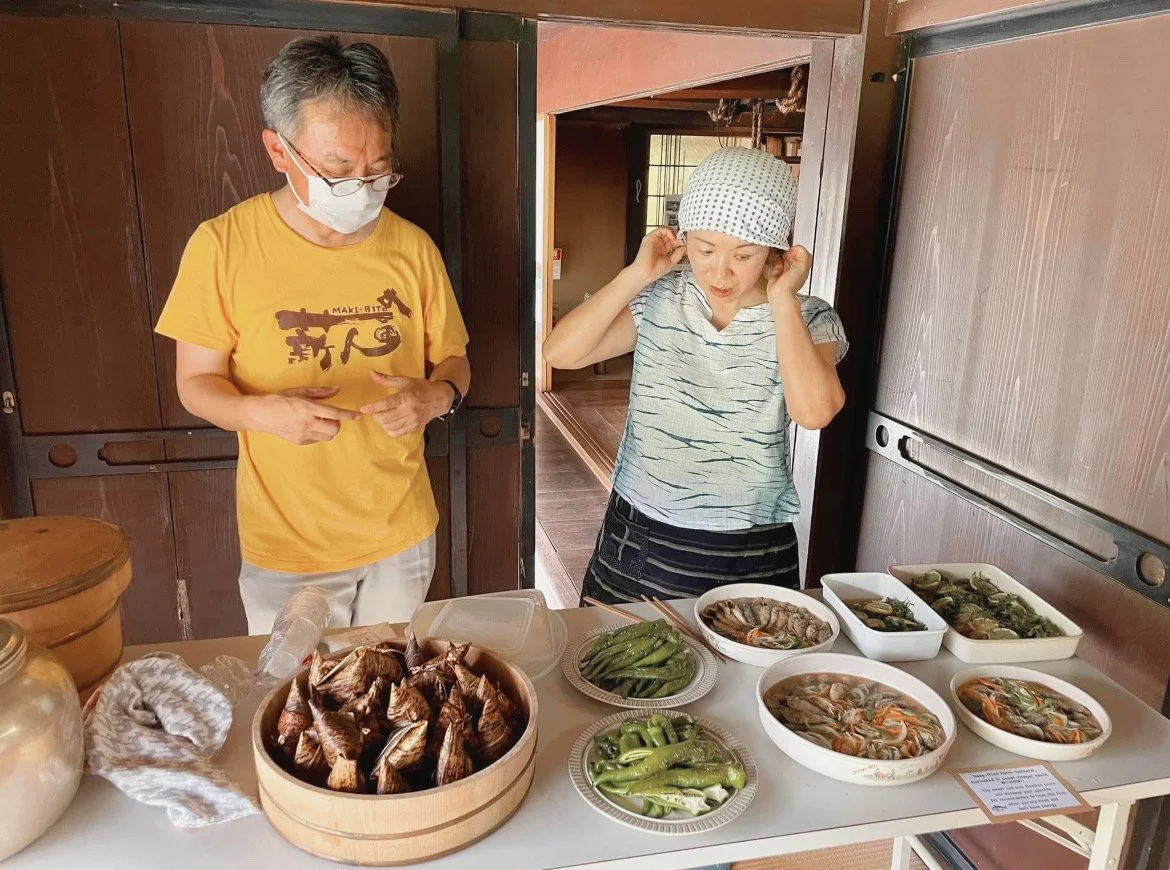
Following our village walk, our hosts treated us to a traditional Japanese sit-down meal, and even let us help with the preparations. This was hands-down the freshest, most elaborate spread we experienced on the entire trip. There was something extra special about knowing the man who’s field the rice was lovingly harvested and prepared from. Talk about preparing a meal with LOVE!

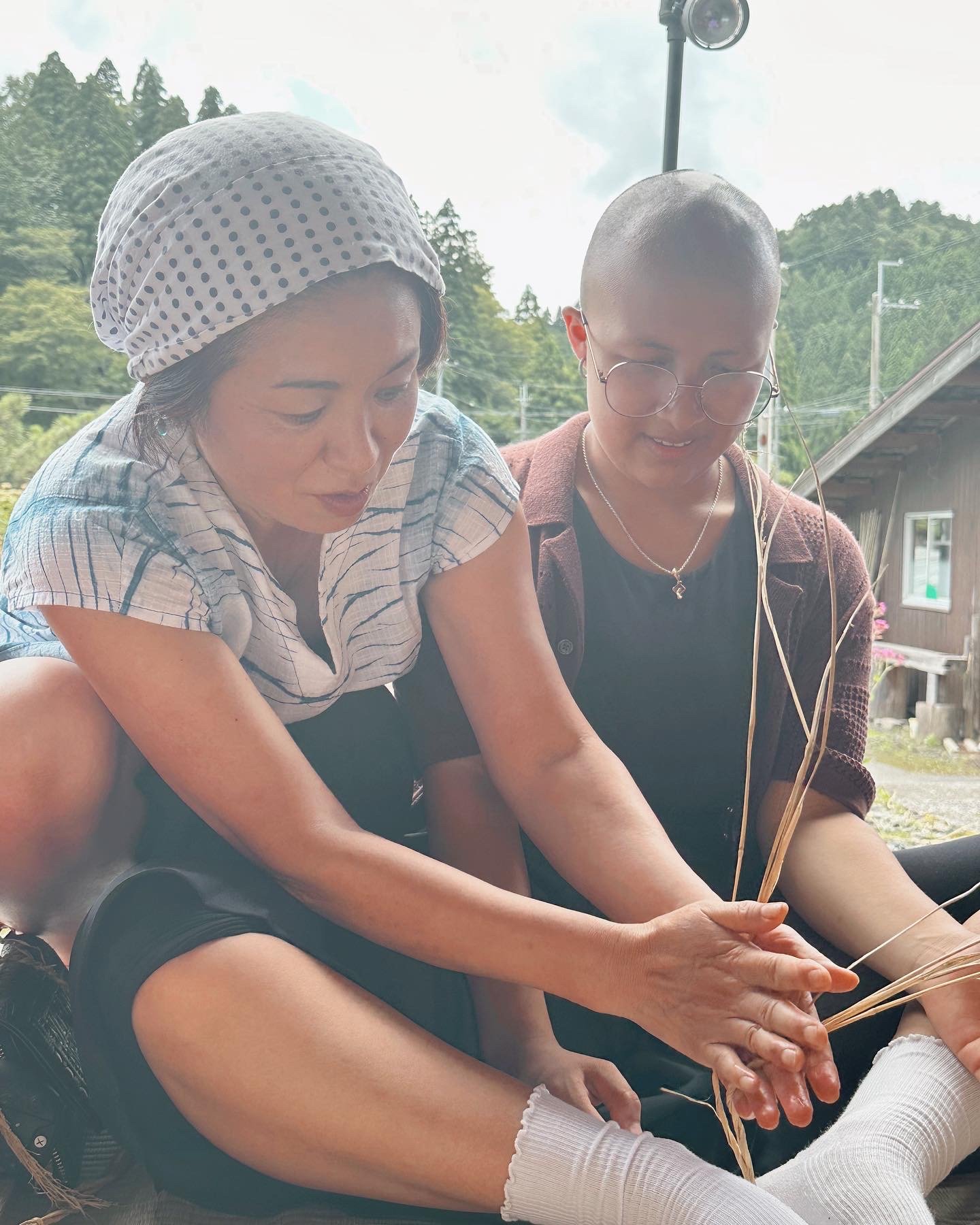
In the afternoon, our hosts pulled out the big guns—local legend Masako-San! Together with her host of ladies, she attempted to teach us to make rope from rice straw, and some of us were better students than others. Personally, I ditched my project pretty early on, getting lost in her stories from the early days in Mukugawa, explained via a translator.

Masako has lived in Mukugawa her entire life. She was born in 1933, vividly remembers the war, and has raised her family here. Her crew has grown to include a whopping twenty-one great grandchildren. While she doesn’t speak any English, we were lucky to have translators handy that helped us have a lively and heartwarming chat about life growing up in Mukugawa and the hardships and beauties of such an amazing way of life.

When I asked if I could take her picture as a personal souvenir to remember this moment, she said she will take the entire experience with her as a souvenir when she goes to Heaven!

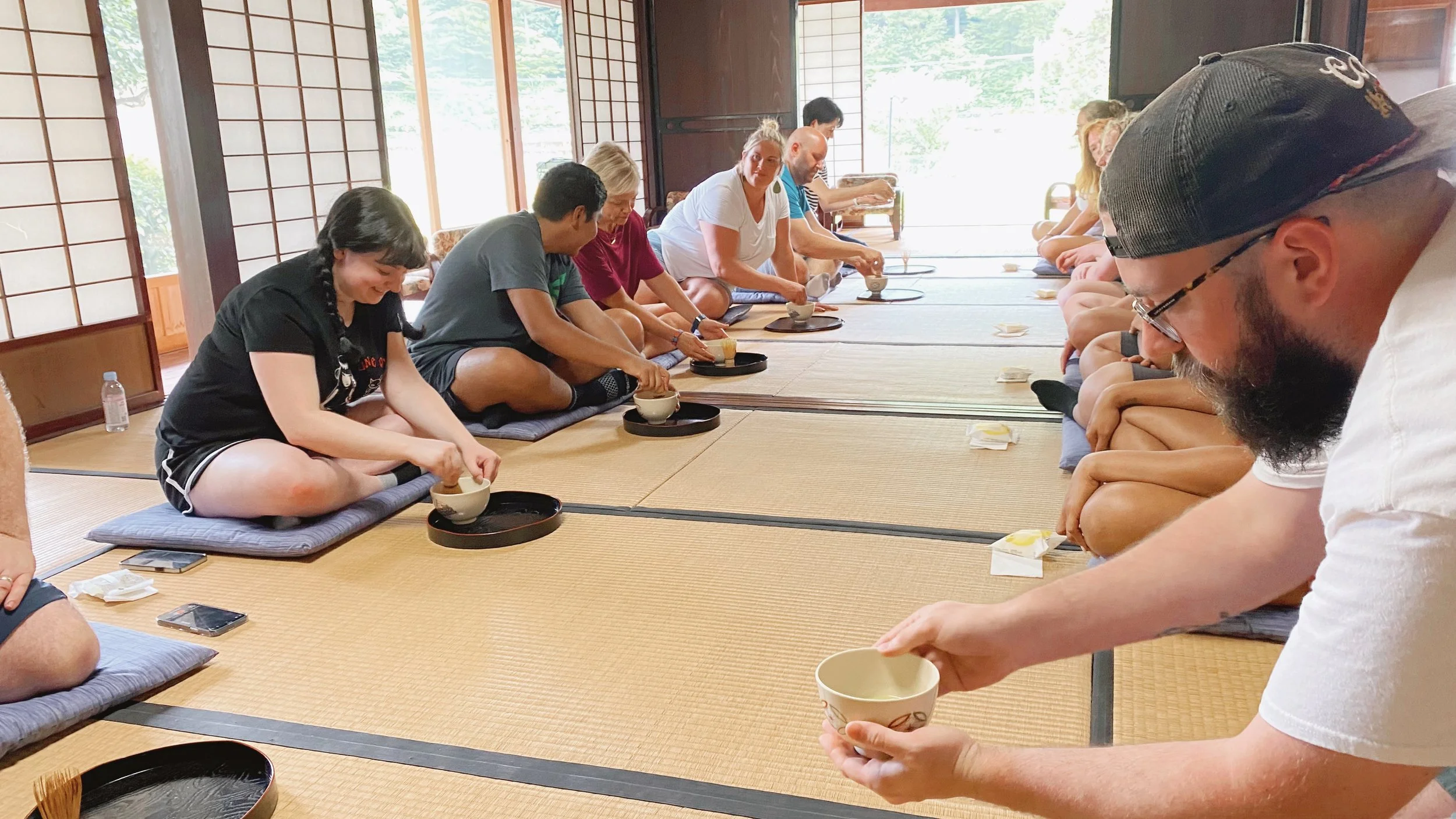
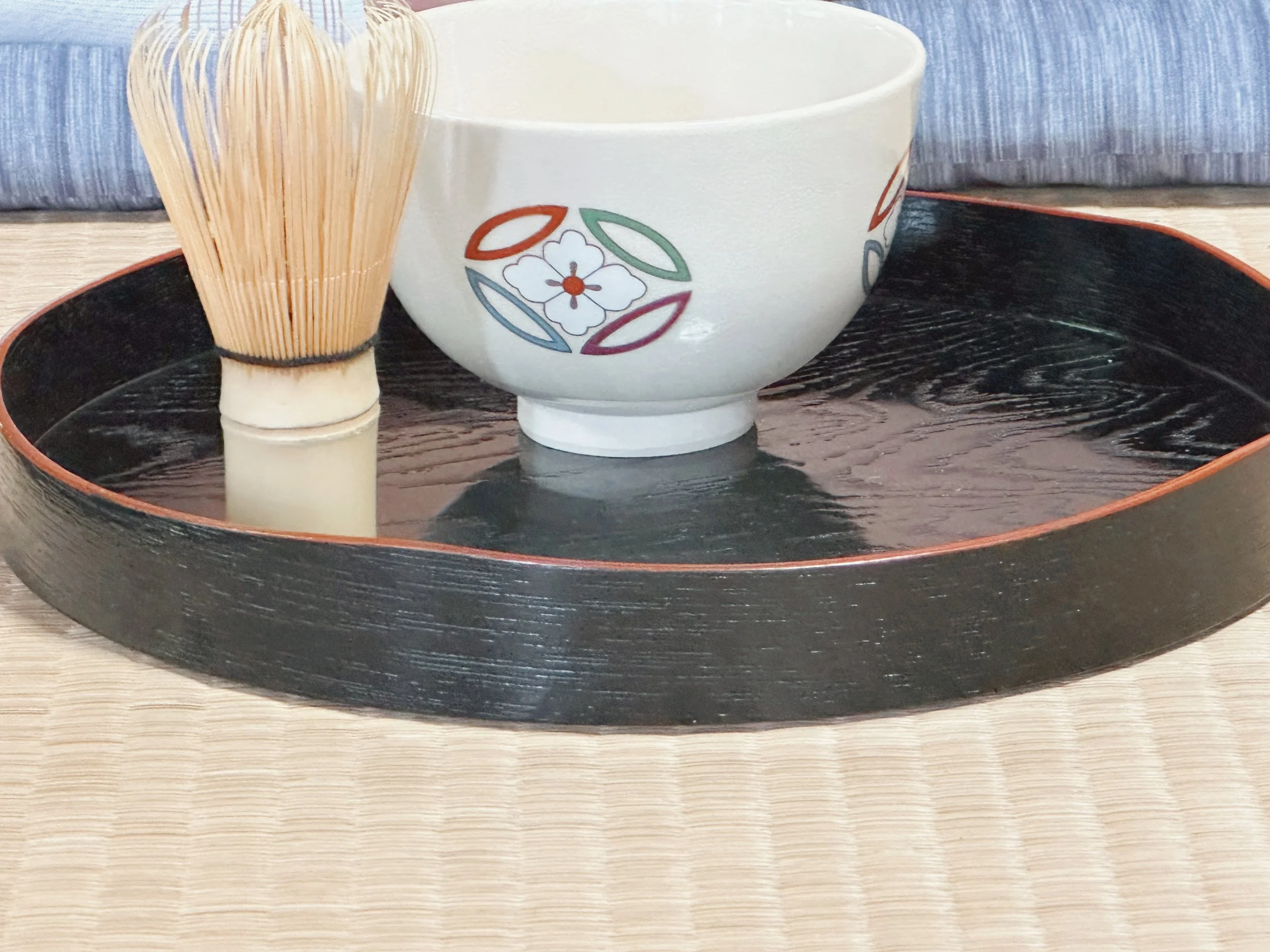
The final activity of the day was a traditional Japanese tea ceremony, led by Mukugawa’s leading tea guru. Our gracious host has devoted her life to preparing and serving tea in a ritualistic and ceremonial way. Originally adopted from Chinese culture in the 14th century, the tea ceremony serves many purposes—promoting harmony and mindfulness, creating a bond through hospitality between host and guest, encouraging well-being, and much more!

The host supplies the guest with a light snack while seated across from them. While the guest enjoys their refreshment, the host prepares the tea by whisking matcha powder with hot water until gentle foam forms. The tea is served hot, and if it’s enjoyed, guests are encouraged to show their appreciation with a loud slurp!

The magic of a place isn’t in it’s big cities and bright, shiny tourist traps. It’s in the sharing of home-cooked meals amongst new friends—In awkwardly wrapping your tongue around foreign words and phrases—In deep bows, and rice straw and the lessons to be taught through aged hands, lovingly passing down shared traditions—In unexpectedly hard goodbyes—and the pieces of ourselves that we leave behind in one another—that’s where the real magic lies.

I don’t know a lot, but I know that Mukugawa is magic. I hope that you have the chance to visit one day. And if not, at least take the idea with you that real magic is found off the beaten path—in the stories and lives of the people who live in the places you visit—The special kind that isn’t pre-fabricated and sold by the thousands. The kind that is just for you and that can’t be left behind or properly shared with those who didn’t experience it first hand—the kind you take as a souvenir with you to Heaven.

Arrigato!


Photo Blog: Croatia + The Balkans

Photo Blog: Croatia + The Balkans

I’m still pinching myself in disbelief that such an amazing week is humanly possible. The Balkans remain at the top of my list of places to travel. I’m torn between shouting from the rooftops that you must run as fast as you can to the breathtaking Dalmatian coastline and keeping it close to the chest as my own little hidden gem that remains mostly unspoiled. Although it seems reckless, it feels selfish not to share, so here it goes…


Split, Croatia


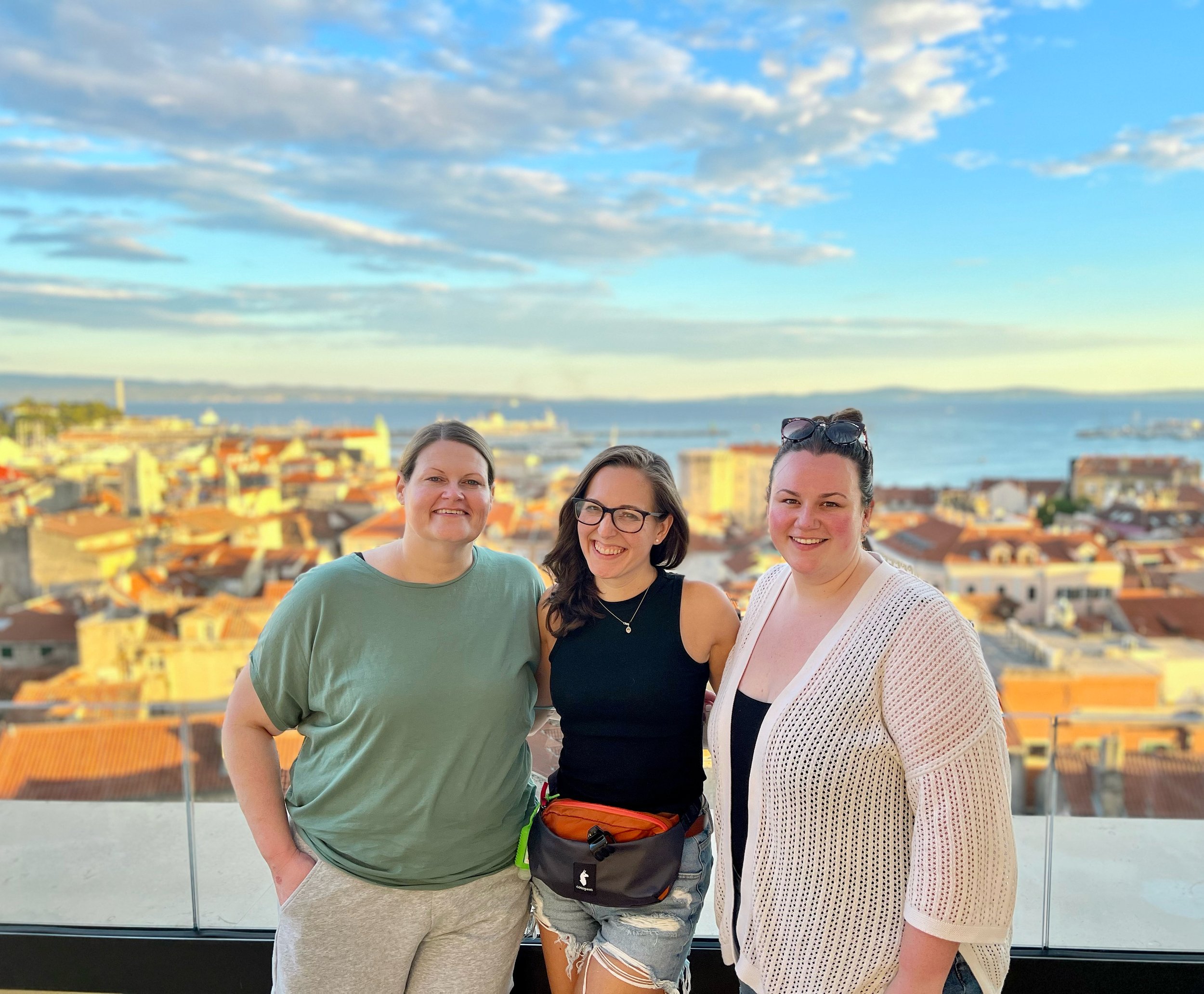
We started and ended our journey in Split, Croatia—a beautiful waterfront town that has a rich history, dating back to Roman rule in the 4th century AD. The impressive structure, Diocletian’s Palace, remains as a nod to it’s former glory.

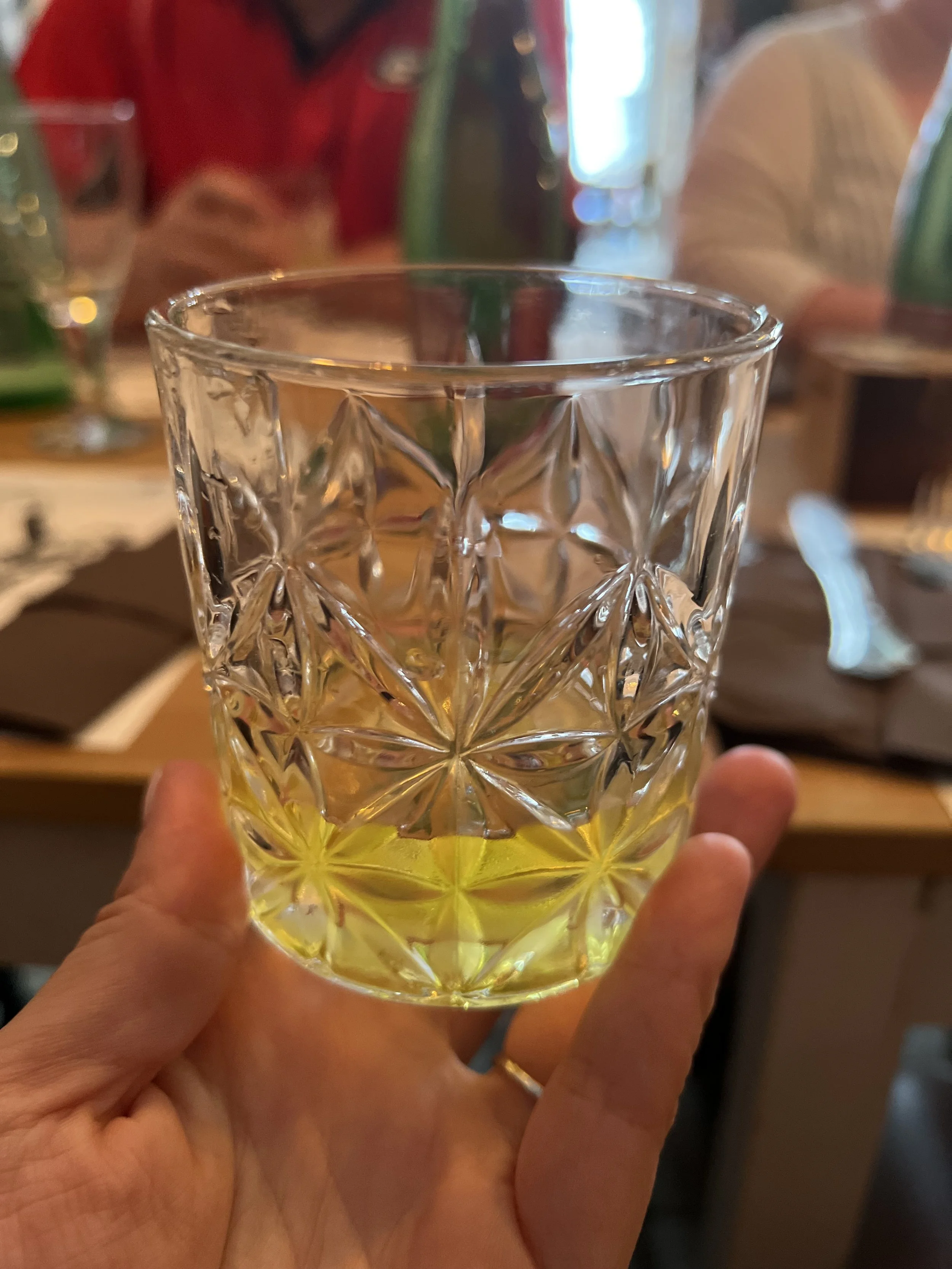
Most of us were completely wiped out from our journey, but we did manage to sneak in a delicious wine tasting before dinner. We also sampled the locally-brewed Rakia, which one traveler jokingly noted resembled Mountain Dew—the taste, however, is quite different.

We ended the night on the rooftop bar of our hotel which has arguably one of the most beautiful views of the city skyline.


Mostar, Bosnia + Herzegovina


From there we traveled by bus to Mostar, in Bosnia and Herzegovina. We were instantly taken by the remnants that stand as an ever-present reminder that the Yugoslav Wars were quite recent—bullet holes lining walls and buildings and shells of building frames stand as a looming ghost of it’s bleak past.

The local shop keepers and vendors however, are bustling with the recent tourism boom after covid. The town is a time capsule— a juxtaposition between past, present and future.

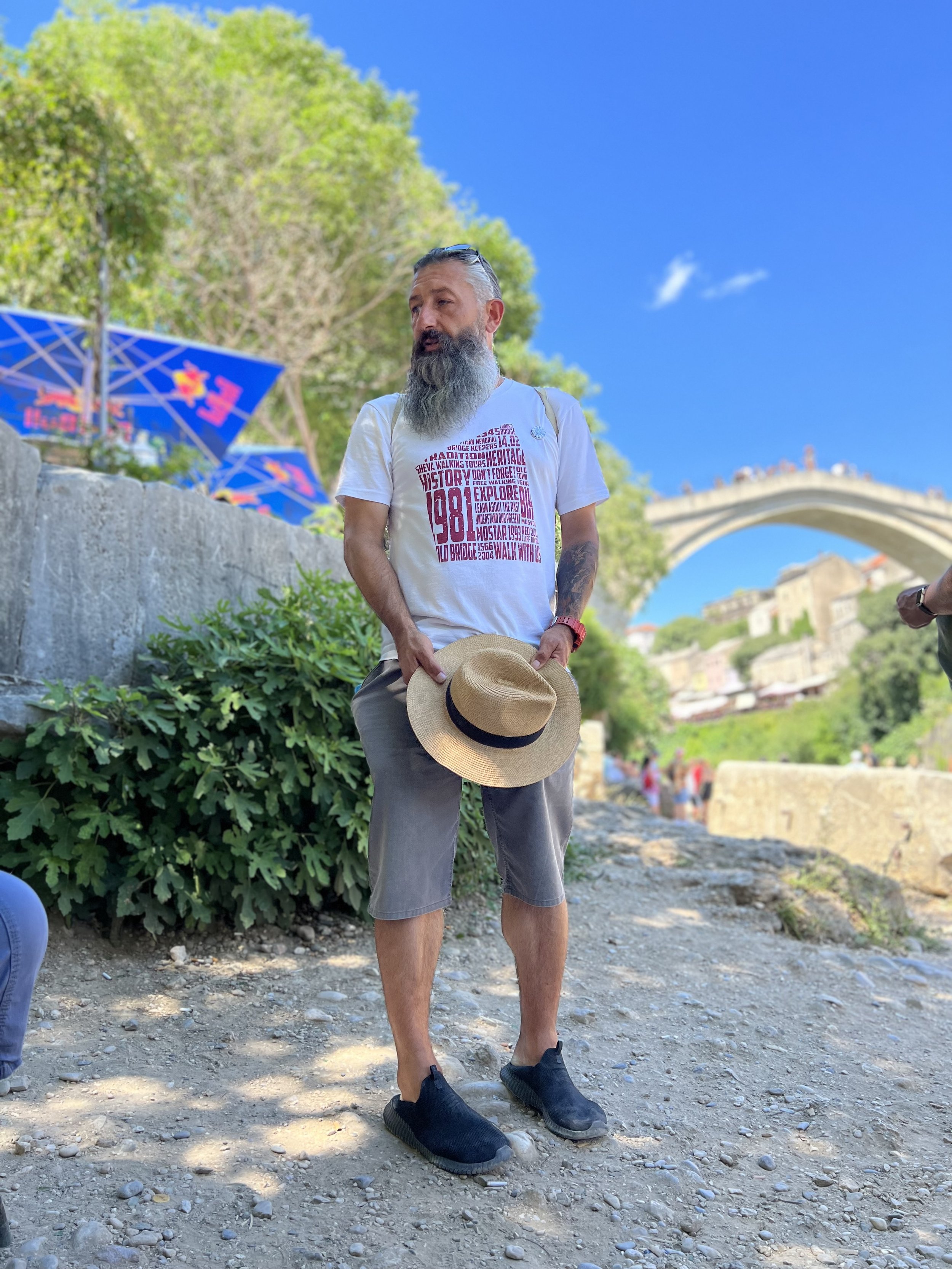
We had a lovely, but honest walking tour with our host, Sheva, who shared Mostar’s complex history with us. His personal experience during the war was moving and candid and gave us tremendous insight into the realities of war on innocent children—fishing with grenades, rigging makeshift bicycles to get electricity, and complicated blurred lines between family, friend and enemy. He was a shining example of the resilience, forgiveness and hope that the human spirit is capable of.

As a local diver himself, Sheva was able to give us insight into Mostar’s famous sport—diving from Stari Most and even arranged for us to meet one of the young diving recruits. The sport has gotten so famous that Red bull sponsors a a diving competition from Stari Most each year.

We ended our time with a Turkish coffee experience—learning all about the growing, harvesting, and brewing process. Even the non-coffee drinkers in the group were faced with a challenge to their coffee biases.


Ston, Croatia


From Mostar, we returned to Croatia by way of Ston—a local salt-producing village surrounded by immense stone walls known for it’s unrivaled oysters. The sea is saltier in this region than most places and it produces some of the best Oysters in the entire world!

We also visited a family-run winery with our guide, Tonka, and learned about the different ways the local grapes can be harvested to produce countless different types of wine. We again encountered some locally-brewed Rakia and everyone left warmer and happier than they arrived.

On the ride to Dubrovnik, Tonka entertained us with stories from her days as an extra in the HBO hit series Game of Thrones. Needless to say, we were all very impressed to know village woman #20!


Dubrovnik, Croatia


In Dubrovnik we completely lost ourselves in the luxury of our hotel—most travelers even opted to skip dinner just to sit by the sea and watch the impressive sunset.
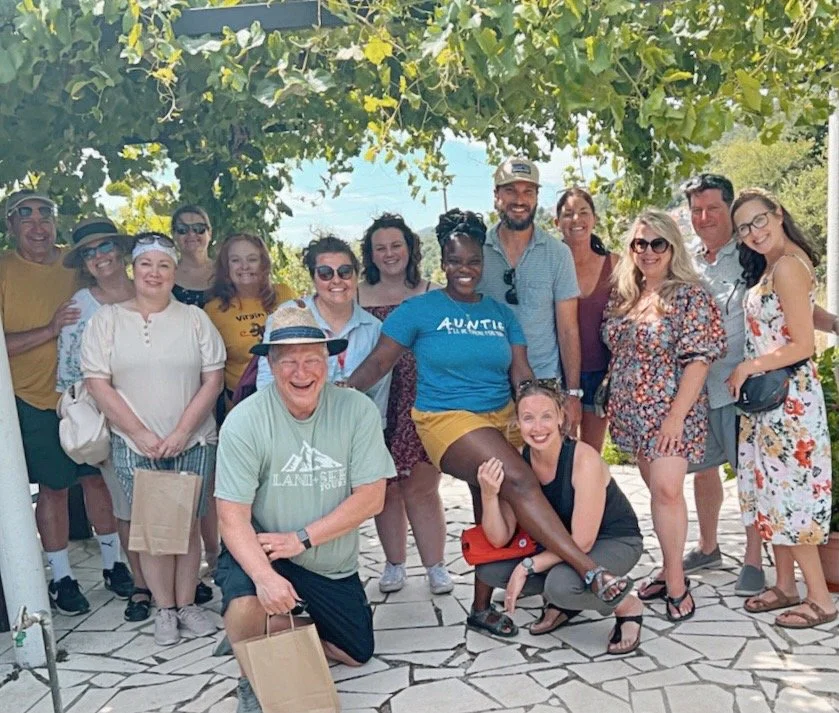
The next day, our local guide Tom took us through Dubrovnik and gave us both a fascinating history lesson and a private peek into some of the secret filming locations in Game of Thrones. Even those unfamiliar with the show were ready to go home and binge watch it after our afternoon with him. Together, we climbed the fortress and took in one of the most beautiful views Dubrovnik has to offer.

That evening we had dinner by the sea and watched as the most impressive moon rose over the Adriatic. It’s a night none of us will never forget.


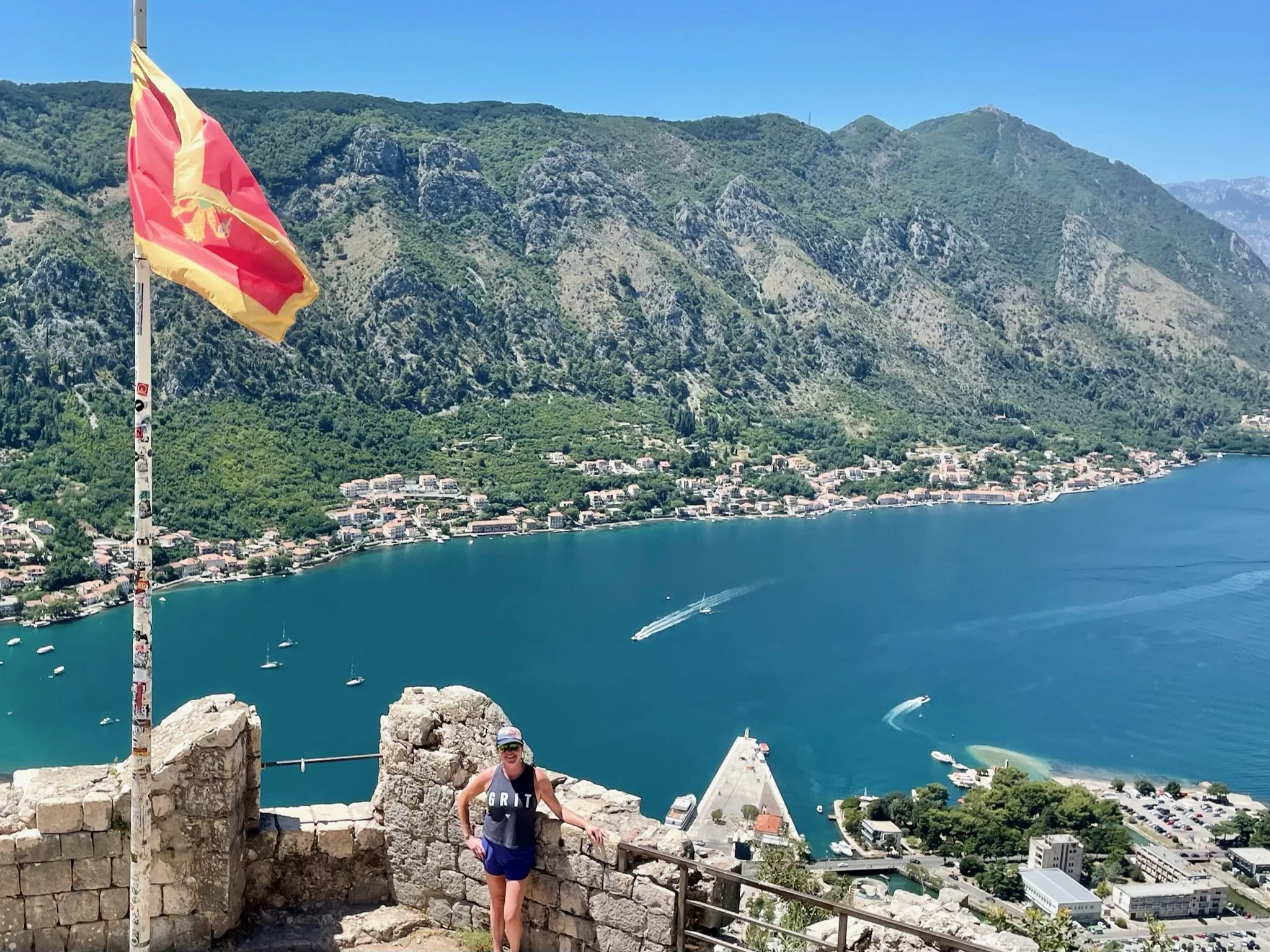
Kotor, Montenegro


From Dubrovnik, we drove to Perast, Montenegro and hopped a boat to the man-made monastery Our Lady of the Rocks. Legend has it that local fishermen collected stones and slowly built the island over time. The locals still have a tradition of bringing a stone once a year to continue their work of expanding the island.

Our boat driver took us from the monastery straight to the dock at our hotel, and many of us felt like James Bond as we rode through the waves.

We headed into Kotor’s Old Town that afternoon for some shopping, cat museums, hiking, and so much gelato, before returning back to our beautiful hotel to swim, risk our lives paddle boarding (special thanks to Speedo Steve for saving one of us from getting tangled up in a rope) and taking in the breathtaking scenery.


Lokrum Island, Croatia


The next day brought us back to Dubrovnik for an afternoon exploring the island of Lokrum. We ate, pet peacocks, jumped off of cliffs, and sat on the Iron Throne. It was an amazing way to spend the afternoon before heading to the highlight of the trip—dinner with Marija and Zlatko!

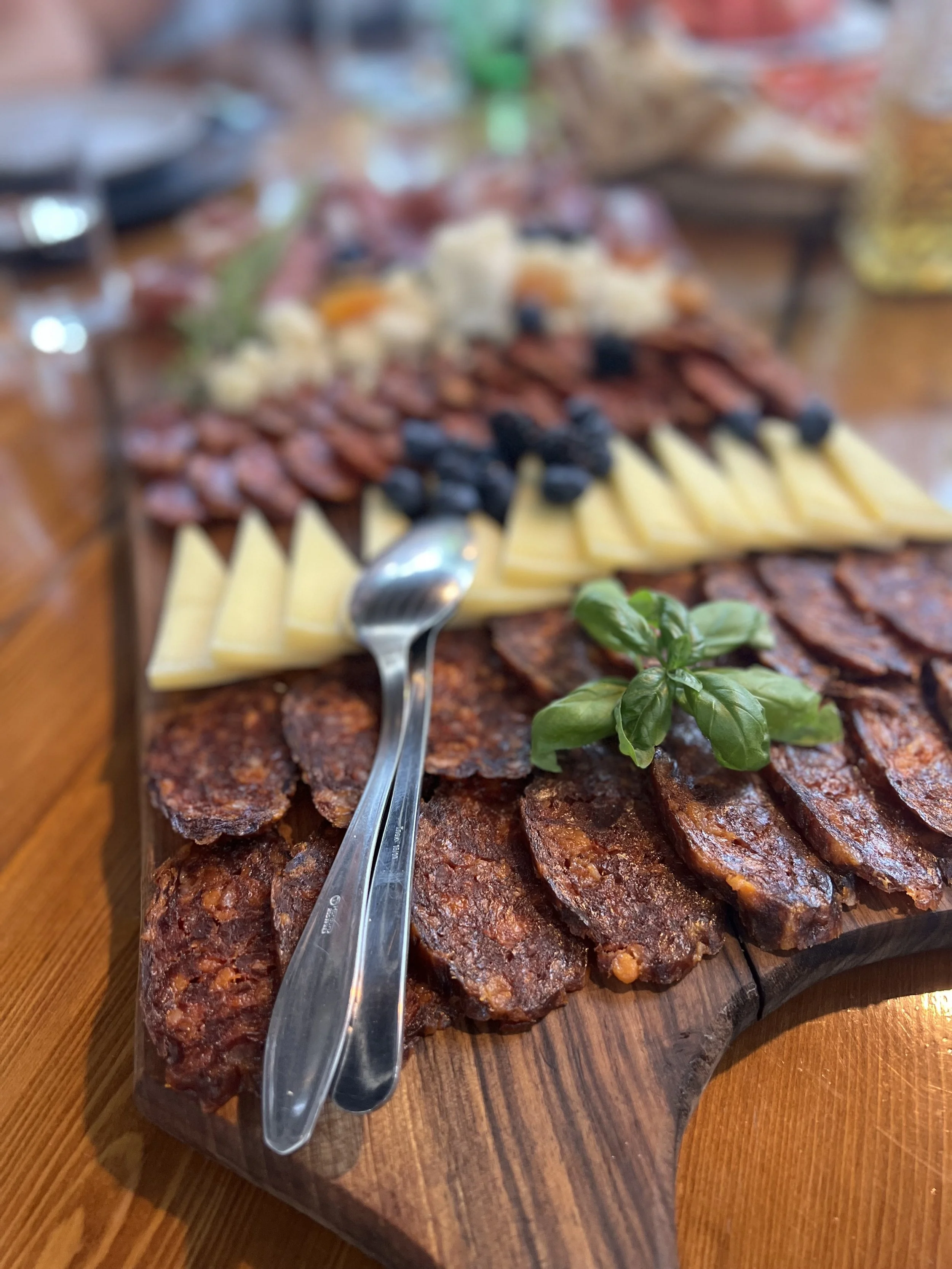
Our local Croatian hosts were kind enough to have us over for the most amazing dinner of our lives. Zlatko and Marija cooked a literal feast of peka for us in the traditional way—slowly cooking over hot coals in an iron bell. We tasted Zlatkos home-brewed rakia, and ate proscuitto straight from the source!


Split, Croatia


The next day had us heading back to Split to say farewell to Croatia, but first many of us chose to stop at the kitschy, Froggyland museum—the lifeswork of an eccentric early 20th century taxidermy artist and easily the best $10 I’ve ever spent!

We ended our tour with an amazing dinner and found ourselves again at the rooftop bar for a final cheers and a quick laugh at some funny things that had been said along the way. All in all the trip was a dream—the destination, the hospitality, and the friendships we made were hard to beat!

Tips and Tricks for Italy + Greece

Tips and Tricks for Italy + Greece

If you’ve always dreamed of heading to Italy + Greece, you’re not alone! Both are magical destinations that leave your eyes wide and your mouth watering. The people, the landscape and the food in both regions are second to none. It’s no wonder people flock in hoards to the beautiful shores of the Aegean!

You know what they say? When in Rome, do as the Romans do. But how do you go about that exactly? If you’re heading to Italy and Greece and are feeling completely overwhelmed with all of the cultural nuances and ways to prepare, we are here to help!

So without further ado.. Here are my tips and tricks for navigating Italy + Greece like a pro!

SET REALISTIC EXPECTATIONS


Cities like Rome and Athens are rich in history and architecture, but some uncomfortable realities that accompany that are smaller rooms, and no central heating and air, to name a few.  Unlike America, A/C is not a standard in Europe. It will unlikely be in many of the shops you frequent, or in the hotels. Adjust your expectations accordingly. Drink plenty of water and wear sunscreen and heat protection to counteract the effects of the heat. Also, wear layers so that you can add and remove clothing as necessary.

DRESS CODE CONSIDERATIONS

Understand that when visiting many religious sites, you will be expected to cover up. A general guideline to follow would be to keep your shoulders and knee caps covered if planning to visit a church in Italy. Due to the heat, it may not be practical to fully cover up during the day, but have a scarf or coverup handy for your visit to religious sites. Some churches will provide a coverup, but many do not, and you will be denied entry if you don’t meet the dress code requirements. Take care to plan your clothing in advance to avoid missing out on seeing certain sites.


PICKPOCKETS

Unlike America, pickpockets run rampant in most of Europe. Again, you are unlikely to find yourself in any physical harm, but understand, your pockets WILL be picked if you aren’t on high alert. High traffic areas like the bus and the metro are a feeding frenzy for “little fingers.” Also keep your eyes peeled at large tourist sites such as the Colosseum, Vatican, and the Parthenon. Where the tourists flock, so do the pick pockets. A good under-your-shirt money belt will definitely help lower your chances of becoming an easy target. Another interesting note: keep your cell-phone close. Leaving it on the edge of a table while eating or next to you on the metro is inviting theft. I once saw a poor sap get his phone snatched off a table in a restaurant while the waiter was explaining the specials. You can never be too careful. If you care about an item, don’t advertise it. Keep any valuables out of sight and secured if you want to hang on to them.

ELECTRICITY

If you plan to charge your phone, dry your hair, or use small appliances on your trip, you’ll need to be aware that Europe has a few major electrical differences with America. For example, the outlet plug shape varies from our standard two prong outlet. Though there are a variety of outlet types acceptable in both Italy and Greece, they both use the F and C type, with two small round prongs. You can find images and details on this outlet type here.  You can pick up a small pack of outlet converters rather inexpensively at Target or Amazon like these here. Another crucial thing to bear in mind is voltage. In America, we use 120 V of power in our outlets. In Italy, the standard is 220V and in Greece it’s even higher at 230V. Small items like cell phone chargers are okay with just a wall adapter that changes the shape of your outlet plug, but if you plan to use bigger items like blow dryers and straighteners, you’re going to want to equip yourself differently.  Purchasing a wattage converter before you leave will allow you to use your home appliances without overpowering them with European voltage and spares them from a sad burned out death. You can pick one up on Amazon like this one here.  

MONEY

We already mentioned that keeping a money belt below your clothing is a good idea, but that is just one aspect of being money conscious in Italy and Greece. While credit cards are widely accepted in Europe, Greece is more of a cash-based country so plan accordingly by hitting up an ATM or converting Euros before your trip. Italy, on the other hand, is very credit card friendly, but if you are using your normal credit card from home, be aware that there can be fees for every swipe if you aren’t careful that can add up quick. Not only does your bank charge a fee, you will face foreign transaction fees per swipe as well. If you’re dead set on using plastic for the majority of your purchases, it would be a good idea to invest in a card that has zero foreign transaction fees. My go to cards for international travel are the Capital One Venture Card, and the Chase Business Ink. Make sure that you also report international travel dates to your bank before you leave to avoid having your card frozen while abroad. I also suggest changing foreign currency at your home bank a few weeks before you depart. Take anywhere from $60-150 with you in local currency. Once you are in Italy and Greece, you can easily access ATMs for any additional cash you might need. Be aware, both your bank and local ATMs will charge you an exchange fee, so you will want to budget what you need and keep your ATM transactions to a minimum to avoid those unnecessary fees. The worst place to convert money is the airport, so plan on exchanging money before you leave, or at an ATM once while in Europe.


TIPPING

If you have a tour guide during any part of your trip, just know that it is customary to tip 1-2 euros after any guided tours. Similarly, you’ll want to tip any bus drivers (particularly ones who handle your luggage) for their services. We usually suggest $3 per driver per day of service. If you have a helpful waiter, they will certainly appreciate a few euros for good service as well. Some restaurant receipts will include a cover charge (coperto). This is a fee for setting your table. You may also see a service charge (servizio) usually around 10% already included on your ticket. Some restaurants will not have a fee at all and choose rather to include these fees in the menu prices. In the case that service has not been included, 1-2 euros per person is perfectly acceptable. Be aware that waiters aren’t reliant on tips as their sole source of income the way American waiters are. However, a tip for good service is always appreciated and for some services, the tourism industry for example, it’s expected.


PHONE USAGE

If you plan to use your phone abroad, make sure you call your phone carrier prior to leaving. The major ones like Sprint, ATT and Verizon have very reasonable international plans, however, you must add them before you leave to avoid paying exorbitant roaming fees. ATT, for example lets you use your phone as normal for $10 per day. If you don’t plan to stay connected, you can connect to Wi-Fi in the hotels. Just be aware the Wi-Fi can be spotty and often slower than at home, but hey, you’re in Europe. Enjoy the scenery and get your nose out of your phone 😊


FERRIES

If you plan to take a ferry at any point during your journey, there are some things you should know before you go. Ferry services are often behind schedule, so understand that you can be waiting for the ferry to arrive, sometimes much longer than you anticipated. They are affected by wind, waves and all other sorts of uncontrollable factors. The larger the ferry, the slower, but also the most likely not to cancel or delay. Be patient, and understand how it works. You will want to be at the dock at least 30 minutes before your boat leaves. Most locals won’t line up until right before, but getting there early will ensure a better seat and streamline the boarding process. Ferry’s take longer than flying, but they are really relaxing, beautiful experience. On big, slow ferries, you can sit outside and walk along the deck taking in the seascape. Most ferries allow you to stow your luggage on a rack on the boarding level of the boat. You are free to haul it up to the passenger deck and keep an eye on it yourself if you prefer. Most ferries have bathrooms, charging outlets and Wi-Fi, usually for a fee. They also have food and drinks for purchase.


Obviously, there is so much more to traveling in Italy and Greece than can be explored in this blog, but hopefully this will at least give you a leg up and keep you from looking like a total noob while visiting the ancient world. If you are looking for fun things to do while in Italy and Greece, feel free to take a look at our itinerary. These are only just some of the highlights, but it will give you an idea of how much time to allot at each location and how to pace yourself.

Happy travels!

7 Travel Hacks for Paris

7 Travel Hacks for Paris

If you’re heading to Paris I’m sure you’ve heard a lot of feedback from people who have visited the City of Light themselves. But I’m also sure you’ve heard your fair share of mixed reviews.  Chances are you’ve heard loads of praise in regards to Paris. It’s beautiful! It’s romantic! It’s breathtaking! It’s very likely you’ve also heard a decent amount of criticism too. Paris is great, but the French are rude! The City is so dirty! The list goes on and on.


The truth is, with Paris, like life, the experience is what you make it. Luckily, there are a few easy things travelers can do to ensure that they have the highest satisfaction possible. Best of all, they are super easy!

So without further ado.. Here are my top 7 Paris travel hacks to make you feel like a pro!

Set realistic expectations


Paris is one of the top tourist destinations in the world. Parisians share their city with tourists from all corners of the globe (and all the languages spoken in each). There were just over 83 million foreign visitors in Paris in 2018 alone! Remember that you are a visitor here. Expecting business to be conducted in your home language is setting yourself up for failure. Luckily the French are highly skilled in English for the most part, but you will get so much further in France by making an effort in French versus leading in English. Simple phrases like Bonjour (hello), Parlez-vous Anglais? (do you speak English?), and S’il vous plait? (please) are much more likely to be met with smiles and a willingness to help than expecting locals to cater to you in your language. I’d be willing to bet that many of the people who had a bad Parisian experience made this embarrassing language faux pas.

Understand How Strikes and Protests Work and Just How Common They Are

The French strike. It’s what they do. Expect to see some evidence of a strike during your stay in Paris. A local Parisian once described protests as France’s national past time. A simple look back at French History will give insight into why the French have such an affinity for the art of protest--simply put, it works! It’s essentially like the French version of writing your Congressman. I’ve been to France when the garbage workers were on strike. As you can imagine, there was more filth on the streets then than other times I’ve visited. Other times the airlines were on strike, making the airport experience somewhat inconvenient. Most of the strikes are announced ahead of time and a simple bit of research can help you avoid any frustrations due to any strikes that might be taking place while you’re traveling. Keep an eye on any transportation you plan to use or excursions you’ve booked to avoid any unexpected delays. Another important note—while frequent, strikes and protests are rarely violent, so don’t be alarmed if you see demonstrations going on while you’re in Paris.


Pickpockets

Unlike America, pickpockets run rampant in most of Europe. Again, you are unlikely to find yourself in any physical harm, but understand, your pockets WILL be picked if you aren’t on high alert. High traffic areas like the metro are a feeding frenzy for “little fingers.” Also keep your eyes peeled at large tourist sites such as the Sacre Couer, Notre Dame and the Eiffel Tower. Where the tourists flock, so do the pick pockets. A good under-your-shirt money belt will definitely help lower your chances of becoming an easy target. Another interesting note: keep your cell-phone close. Leaving it on the edge of a table while eating or next to you on the metro is inviting theft. I once saw a poor sap get his phone snatched off a table in a restaurant while the waiter was explaining the specials. You can never be too careful. If you care about an item, don’t advertise it. Keep any valuables out of sight and secured if you want to hang on to them.


Metro

Paris is one of the easiest cities to navigate via public transportation. Between the metro, the RER, and the varied bus system, tourists have a plethora of ways to get from one side of the city to the other. For the metro, there are a few simple tricks to keep you from making amateur mistakes. Once you purchase a metro ticket, you have to scan it through a turnstile in order to enter the metro. It would be easy to think that you’re done with the ticket at that point, but don’t throw it out. Many tourists have been stopped by police officers asking for proof of fare. This is completely legal, and those who have misplaced their ticket are subject to a fine. A few etiquette tips will make a huge difference in your metro experience as well. Always offer your seat (if you have one) to anyone who is elderly or has disabilities, particularly if seats are few and far between. Also, try not to board the metro until everyone exiting the train has done so first. There are small hinged seats next to the door on most metros. Avoid using them if the train is overly-crowded. They take up valuable standing room and you can come off looking rude if you use them and take up precious space.


Money

We already mentioned that keeping a money belt below your clothing is a good idea, but that is just one aspect of being money conscious in Paris. Paris is very credit card friendly, but if you are using your normal credit card from home, be aware that there can be fees for every swipe if you aren’t careful that can add up quick. Not only does your bank charge a fee, you will face foreign transaction fees per swipe as well. If you’re dead set on using plastic for the majority of your purchases, it would be a good idea to invest in a card that has zero foreign transaction fees. My go to cards for international travel are the Capital One Venture Card, and the Chase Business Ink. Make sure that you also report international travel dates to your bank before you leave to avoid having your card frozen while abroad. I also suggest changing foreign currency at your home bank a few weeks before you depart. Take anywhere from $60-150 with you in local currency. Once you are in Paris, you can easily access ATMs for any additional cash you might need. Be aware, both your bank and local ATMs will charge you an exchange fee, so you will want to budget what you need and keep your ATM transactions to a minimum to avoid those unnecessary fees. The worst place to convert money is the airport, so plan on exchanging money before you leave, or at an ATM once while in Paris.


Tipping

If you have a tour guide during any part of your trip to Paris, just know that it is customary to tip 1-2 euros after any guided tours. Similarly, you’ll want to tip any bus drivers (particularly ones who handle your luggage) for their services. We usually suggest $3 per driver per day of service. If you have a helpful waiter, they will certainly appreciate a few euros for good service as well. Some restaurant receipts will include a service fee (service compris). Conversely, some may indicate a service fee is not included (service non compris) in which case, you are free to tip. Be aware that waiters aren’t reliant on tips as their sole source of income the way American waiters are. However, a tip for good service is always appreciated and for some services, the tourism industry for example, it’s expected.


Street Vendors and Scammers

While in Paris, you will no doubt run into street vendors. If they are selling items along the street, Eiffel Tower Keychains, Knock-off purses and the like, just be aware, it is illegal to purchase their goods--mostly because they are not operating legitimate businesses or paying taxes. Anywhere that is a highly trafficked tourist area, you’ll see hundreds of them. You’ll often see them gather up their items in a drawstring sack if they see a police officer coming. While uncommon, tourists can be fined for purchasing from them so be aware of the risks. Keep an eye out for thieves and scammers as well. Some will try to get you to bet on card tricks, or request money for a bracelet they’ve placed on your wrist, or offer you a flower and then expect payment--just be aware, they are likely a distraction for scammers and thieves. The best thing to do is refuse to interact with them.


Obviously, there is so much more to traveling in Paris than can be explored in this blog, but hopefully this will at least give you a leg up and keep you from looking like a total noob while visiting the City of Light. If you are looking for fun things to do while in Paris, feel free to take a look at our itinerary. These are only just some of the highlights, but it will give you an idea of how much time to allot at each location and how to pace yourself.

While in Paris, just remember to be polite and have a good attitude and you’re sure to have a marvelous time! Happy travels!


Iceland: Off the Beaten Path!

Iceland: Off the Beaten Path!

So you’re heading to Iceland? You likely know the touristy hot spots—the blue lagoon, a northern lights tour, the golden circle, and the southern shore—all “touristy” for good reason and places you definitely don’t want to miss, but perhaps, like us, you are looking to get off the beaten path just a little more while in Iceland. If you want to get a better feel for this rugged and beautiful country, here are a few suggestions for fun things to do that will get you off the beaten path, and into the real and rugged heart of Iceland.


#5 – Stykkishólmur

IMG_8889.jpg
IMG_8908.jpg

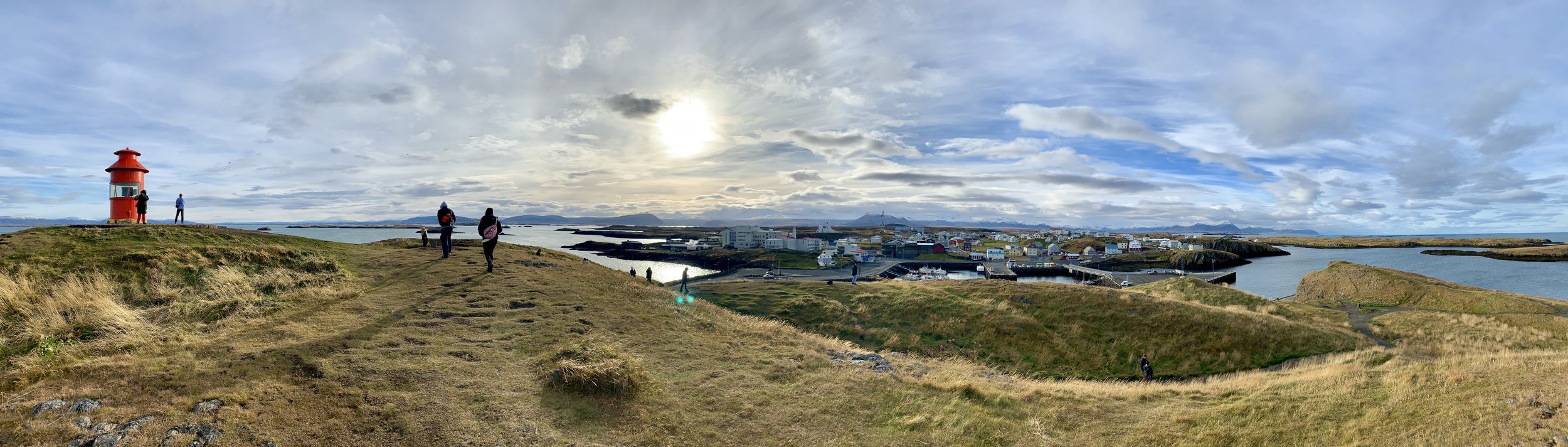
If time allows (scratch that… make time for this one), make sure you take a leisurely drive up to the Snaefellsnes Peninsula. It’s less touristed, and every bit as rugged and wild as other more “famous” parts of Iceland. Make a stop in the charming seaside town of Stykkishólmur just 172 kms from Reykjavik—boasting a population of only 1150. The colorful fishing boats and adorable, bright houses make it really unique, not to mention picturesque. Take the time to hike up to the lighthouse and enjoy a breathtaking panorama of this quaint village and the wild seaside below. Stykkishólmur’s beauty comes not only from its scenery, but from its environmentally-friendly approach. It comes as no surprise that this town has won the European Destination of Excellence Award (EDEN) since 2011, making it a must see on your Icelandic bucket list.

#4 – Faxi Waterfall

IMG_9245.jpg
IMG_9246.jpg

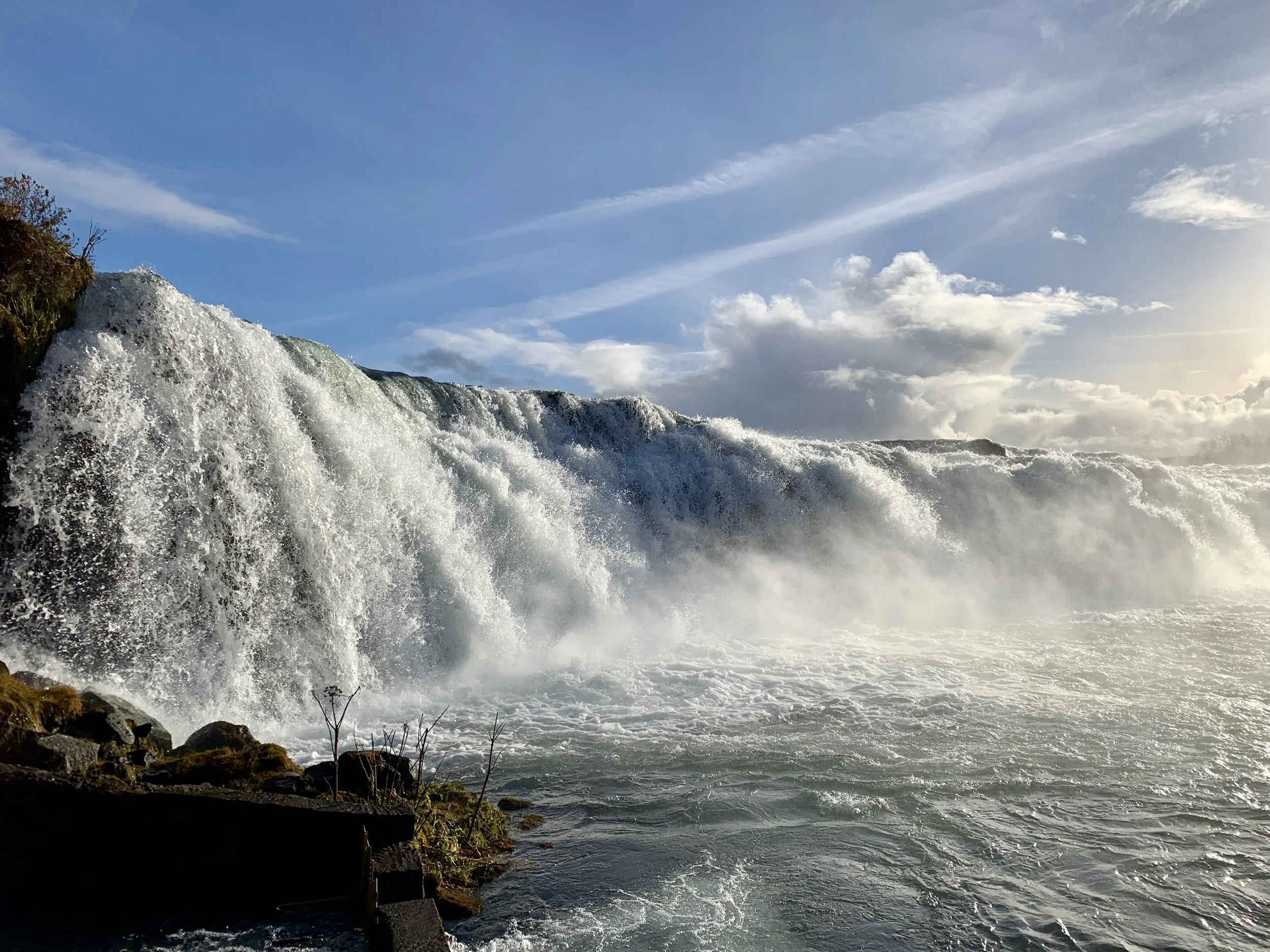
If you are already headed on a Golden Circle tour, this is an easy add-on. This lesser known waterfall should  be at the top of your bucket list. It is reminiscent of its big sister, Gullfoss, a mere 20 kms away, but is arguably the prettier of the two. It stands at approximately 23 feet high and 260 feet wide, but visitors can walk right up to the base if they so choose. An extra perk of this waterfall, besides its beauty, is the total lack of tourists. You can enjoy this waterfall from above or below without waiting in line for a good photo op, or worrying about digitally removing tourists later. Another cute gem about this waterfall is the salmon ladder to its left. There, lucky visitors can watch wild Icelandic salmon swim upriver, making this an extra special stop that shouldn’t be missed.

#3 – Black Sand Beach of Djúpalónssandur

IMG_9041.jpg
IMG_9017.jpg

This beach is a must! Iceland is known for its black sand beaches, such as the famous Reynisfjara with its iconic rock islands and basalt columns. Lesser-known, and arguably just as cool is the lovely Djúpalónssandur on Iceland’s Northwest Snaefellsnes Peninsula. This gorgeous beach is lined with black volcanic pebbles (back massage anyone?), and it boasts the ramparts of a rusty ship wreck—pieces of which are scattered all along the beach. This coastline is less visited, has just as much beauty as it’s more famous counterparts, and is all yours! One extra cool little tidbit about this beach is that it stands at the base of Snæfellsjökull, a 700,000 year old glacier-capped volcano.


#2 – Smokin’ Puffin

Image-1.png
IMG_9591.jpg

Don’t let the “Puffin” in the name deceive you, this is no tourist trap. This hidden gem is an ordinary-looking little pub in the heart of Reykjavik, but definitely one of the coolest spots in town. The pub is owned and operated by a group of bartenders and bar managers--who hop from one side of the bar to the other as soon as they clock out. If you ask me, it says a lot when the employees of an establishment hang around long after they’re being paid to do so. The bar is a cozy dive featuring local brews and live local artists each night. Extra cool points for the foosball table in the back corner. This is a great place to come and chat with locals and get a glimpse into real Reykjavik nightlife—not the glitzy, puffin-stuffed tourist traps that abound in much of the city.


#1 – Dinner with the Icelanders

IMG_1888.JPG
IMG_1922.JPG

This one wasn’t an easy find, but by far the coolest thing to do in Reykjavik. We connected with locals through a cool tour site called “Iceland Unwrapped.” Owner Helga, connects travelers with local families who open their doors to visiting guests who want a glimpse of actual Icelandic culture. Our hosts were Albert, a world-class chef, and his partner Bergthor, a famous Icelandic opera singer. To say they rolled out the red carpet for us was an understatement. We feasted on roasted lamb and potatoes, the best Icelandic chocolate cake money can buy, and we were treated with a private concert by Bergthor, along with a viewing of his home-woven traditional Icelandic handicrafts. We cannot recommend this enough! Come ready to eat, learn, and laugh until your sides hurt. Dinner with the Icelanders is a MUST! You can check out this and many more of Helga’s unique Iceland Unwrapped experiences by clicking here. You’re welcome in advance.